Regarding the worship of a book by the उष्णीषधारीIAST Transliteration uṣṇīṣadhārī
Meaning – Sun Worshipper-s, even this meme, as most would know, has roots in हिंदु-धर्मIAST Transliteration hiṃdu-dharma
Meaning – Hindu Dharma. Nothing original. We see an example of that from the उत्तरभागा of the कामिकागम, going back to at least 500 years prior to the birth of the शिक्षपान्थी-s’ founder.
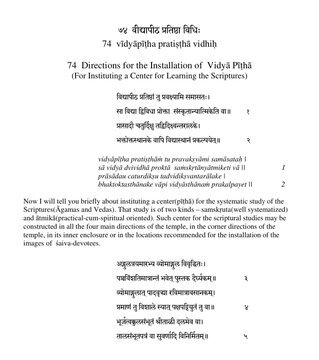
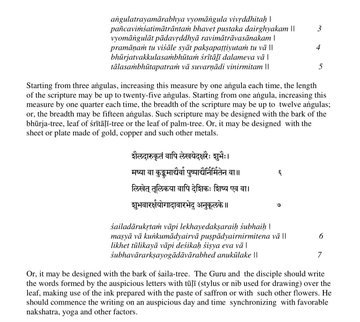
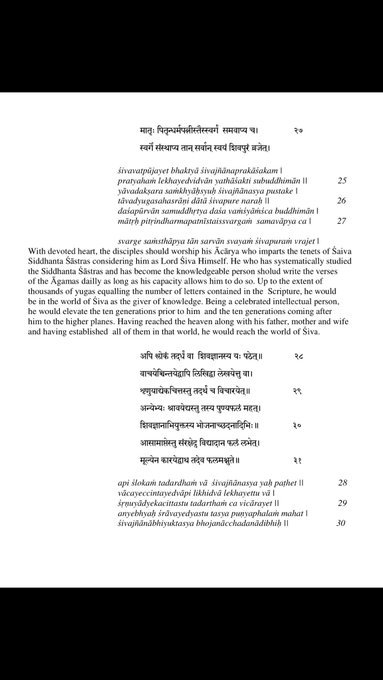
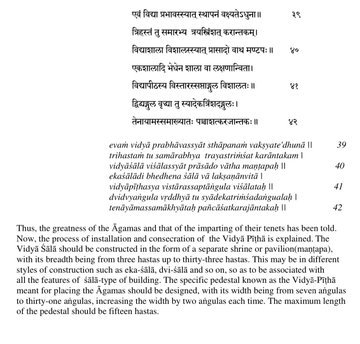
There will be a centre for studies (विद्यापीठ) in any of the temple’s 4 cardinal & 4 intermediate directions of the temple, or its inner circuit or, best, in the comforting presence of images of शिवभक्त-s. What materials to use for the book or for the pen? All detailed here.
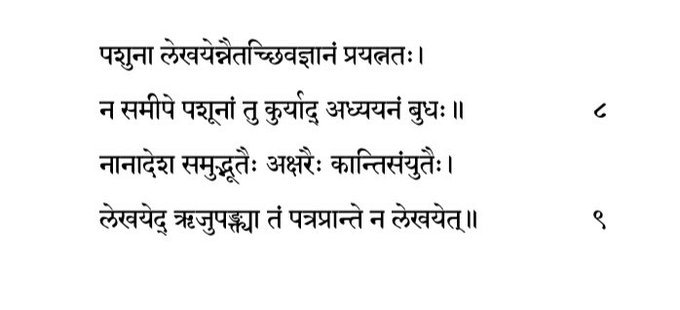
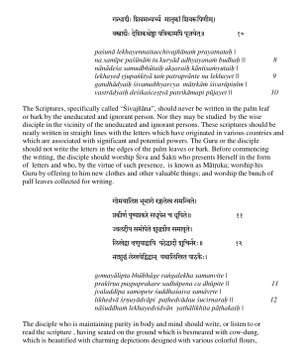
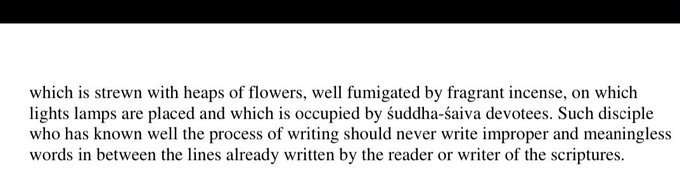
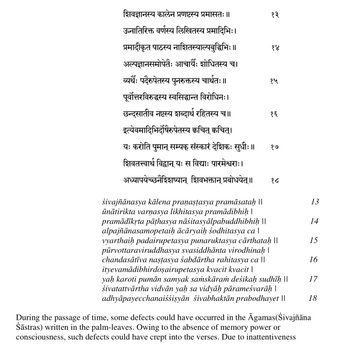
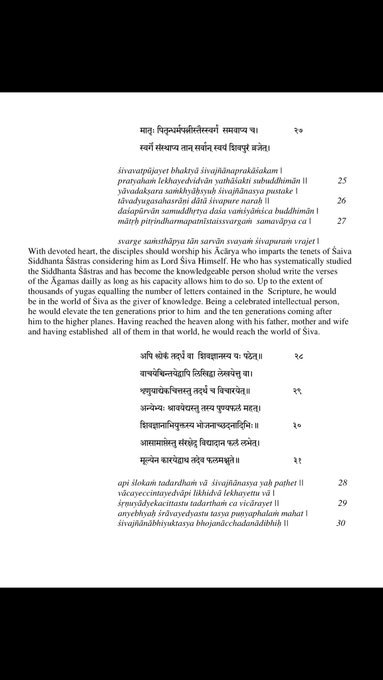
Sacred शैव scriptural wisdom should never be written down by the uninitiated (पशुः, पशवः) or studied in their presence by the wise. One going to write should worship शिव & शक्ति with incenses, show his appreciation to his गुरु & venerate the leaves he is about to write on.
The leaves are becoming conduits for transmission of precious knowledge. So, they too must be venerated (पत्रिकामपि पूजयेत्). Our धर्म breeds a culture of reverence, something those who are content with being cheap imitations of monotheists will never understand.
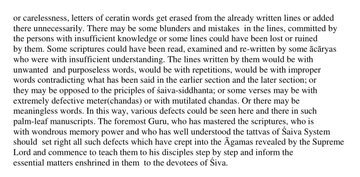
Textual criticism, or attempting to uncover the “most correct reading” to put it in lay terms, is no modern discipline. The expert writer assessed various copies (some of which were made by incompetent आचार्य-s), fix spelling, metrical & doctrinal errors & reconstruct the text.
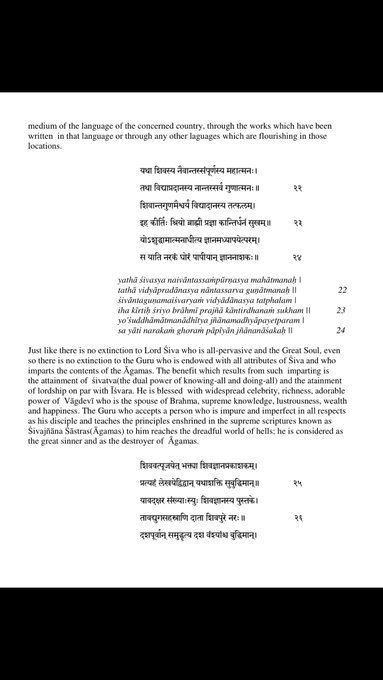
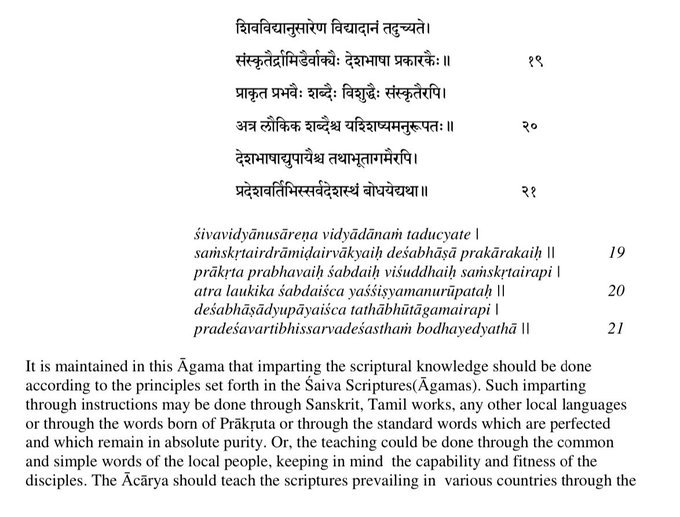
The teaching of knowledge can be done in different languages, whether it be संस्कृत, द्रामिड (तमिऴ्) or other देशभाषाषा-s or प्राकृत. The teacher can employ worldly usage (लौकिक शब्दैश्च) if necessary or local works. There is great emphasis on audience-focused teaching.
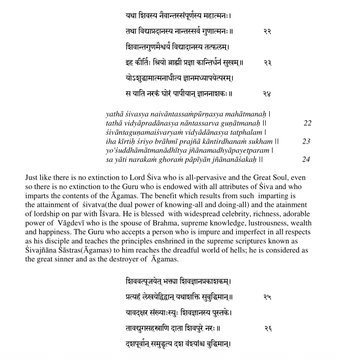
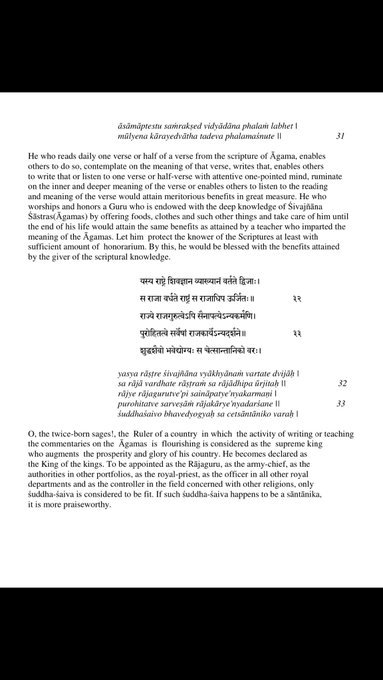
The blessings that reading, writing, contemplating, causing others to read & contemplate the आगम-s, bring to the person & the blessings their exposition bring to the king & the people.
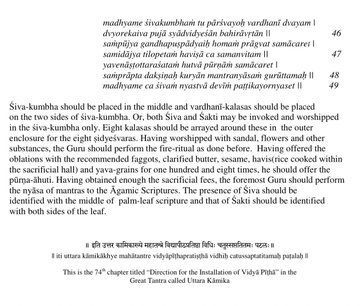
And the text goes back to the ritual of consecrating the seat where the scriptures will be kept. Note the last point that the middle of the leaf-bundle is to be visualized as शिव & the top/bottom sides as शक्ति. This symbolizes the idea that शिव‘s “body” is शक्ति & he’s the self.
Note : Small error in above translation: Should read as *vidyeshvaras
Regarding the worship of a book by the उष्णीषधारी-s, even this meme, as most would know, has roots in हिंदु-धर्म. Nothing original. We see an example of that from the उत्तरभागा of the कामिकागम, going back to at least 500 years prior to the birth of the शिक्षपान्थी-s’ founder.
While a temple is a source of blessings for the Hindu masses, should mass expectations influence how priests carry out temple rituals?
That is not a stupid question! It’s something I have been wondering myself since there is no proper codified text as far as alaMkAra is concerned. As far as temples in TN are concerned, the Agama-s give very brief instructions and do not delve into details.
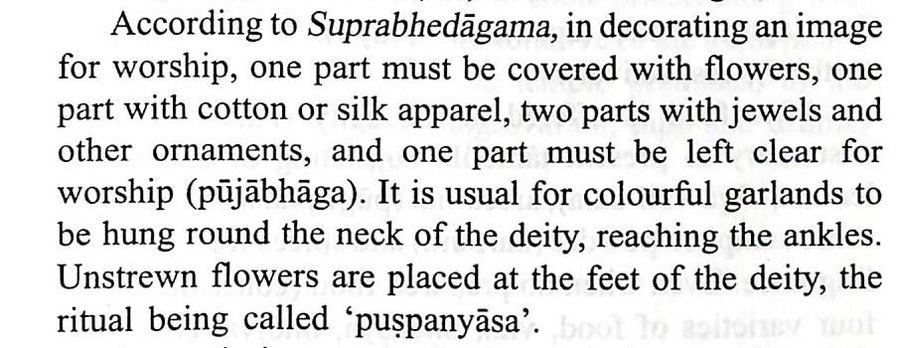
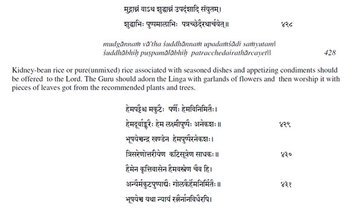
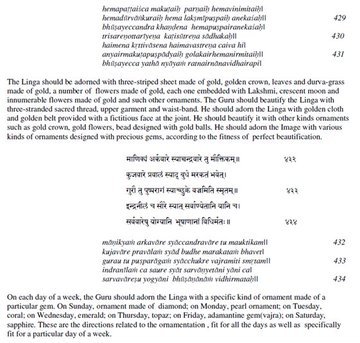
For instance, one encyclopedia I have, quotes the particular ratio in which flowers, cloth and jewels must cover the vigraha of deity. There are some basic guidelines that I have encountered. For instance, the kAmikAgama (attached photos of text with translation):
Now, in the case of viSNu or devI, alaMkAra plays a more significant role since, unlike Shiva who is worshiped mainly as a liNGa, their vigraha-s are anthropomorphic, giving more opportunities for a creative mind. In any case, one ought to note that creativity has its bounds.
Now, in some Agama temples in TN, some have made it very popular to do drawings of faces on the liNGa. Now, this may seem very appealing to the public or even the eyes of the learned who know better. Some go one step further, attaching artificial faces to the liNGa!
Now, as per the principles of siddhAnta Agama-s, that is very wrong. liNGa represents form-formless aspect of shiva. Drawing faces on it is unacceptable in the siddhAnta & severely undermines significance of the doctrinal aspect. Every physical detail has a philosophical subtext.
I’m not criticizing this practice as done in some other temples. (ujjain, etc). If they don’t follow the siddhAnta (as is the case for most shiva temples outside the south), that’s fine. Attaching artificial heads, arms, legs to the mUla mUrti (in sanctum) or utsava mUrti, or covering the idol so excessively with garlands/jewels or rupee notes that there is no pUjAbhAga (worshipable part) unconcealed for proper arcana by the arcakas; these are all unhealthy practices which often go forgiven in the name of “alaMkAra”.
Hopefully, that gave some idea of the do’s and don’ts in alaMkAra. Was only able to recollect a few sources as not everything I’ve read in connection with this is at the top of my head right now.
That is not a stupid question! It's something I have been wondering myself since there is no proper codified text as far as alaMkAra is concerned. As far as temples in TN are concerned, the Agama-s give very brief instructions and do not delve into details. /1
The Agamika tradition’s instilling of a culture of reverence and appreciation; whether it be of animals in ritual contexts or the importance given to non-arcaka groups such as sculptors & architects.
The greatest gift of rituals is the reverence it instills in us; not just for the deity but for all beings, all communities. The Agamika tradition involved a number of rites where different individuals (even animals) were honored.
Let us see some verses from the kAmikAgama.
The kAmikAgama does not simply concern itself with rituals at temple. After all, the prerequisite for temple worship is, well, a temple which has been built. The Agama spoke on the construction of, not just temples but also, residential dwellings and planning of entire towns. Before a structure is built, land has to be selected. So, the kAmikAgama gives lengthy instructions on that process, where the shivAcArya steps out of the temple and visits the proposed place with an architect and examines the land for the patron. And yes, the patron was not just from his own class (shivabrAhmaNas) but all varNas. What if someone proposed a viSNu temple in a shaiva town? No problem, this shaiva text also gives prescriptions for the location of viSNu temples!
So, the land has been examined. Architect is happy. Patron is happy. A house/shrine as per prescribed lengths can be built here. The AcArya would then offer food, etc to the bhUtas, pishAchAs, etc there (they too need sustenance) and ask them to leave the land the patron desires.
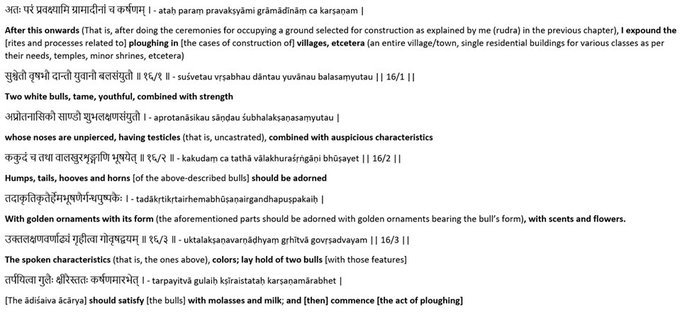
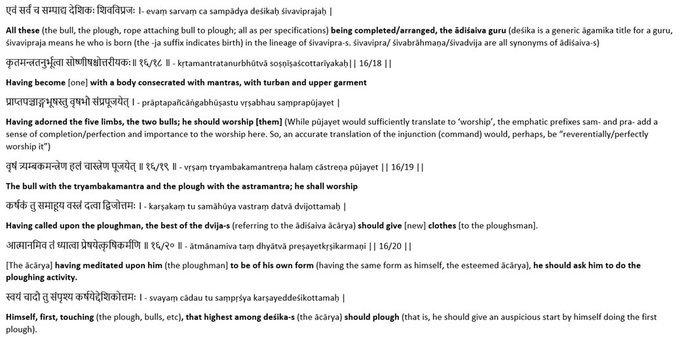
So, having given the instructions for bhUparigraha (taking possession of the earth/plot of land), shrIkaNTha rudra then gives instructions for the ploughing to be done on the land. He begins the chapter by specifying the bulls and how they are to be honoured:
The Agama then goes onto describe the material, length/breadth/thickness specifications of the plough, the rods and beams, the rope binding the bulls to the plough, etc…And all those having been arranged, now the AcArya honors the bulls, the plough and, yes, the ploughman:
Do read the above verses. The AcArya meditates upon the ploughman as being a form of himself! This is what the Agama asks him to do. He too must be given new clothes and made happy.
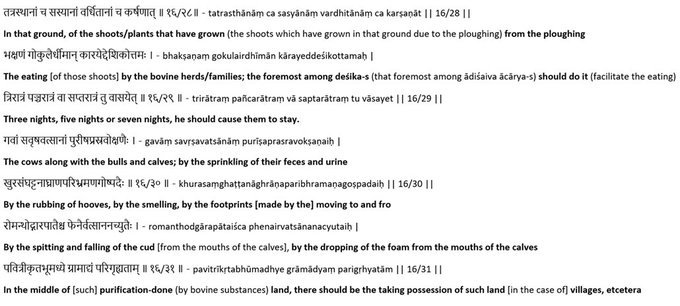
It is not just a 20 minute honoring of the bovine kind. Though only two bulls are required for ploughing, the AcArya ensures that an entire herd is made to stay on the land and purifies it by their presence. The calves are given the very first fruits of the ploughing, the shoots.
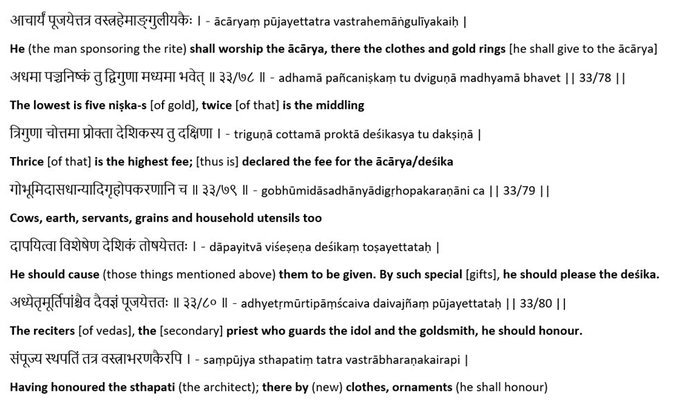
The next important rite was the burial of the “foundation deposit”, a casket which would be designed by the sthapati, the architect. The Agama asks the rich patron to do the appropriate honours to the AcArya, sthapati, daivaj~na (goldsmith) and mUrtipa (assisting priest):
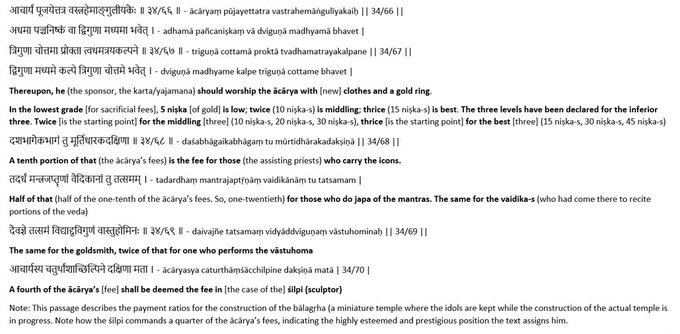
Respect for the shilpi, the sculptor; the Agama painstakingly lays down payment ratios. One could note how the fee for the sculptor is benchmarked directly against that of the AcArya, who held the most prestigious office. This indicates the high stature sculptors had.
The rich patron, who has commissioned for the building of temples, should honour both the AcArya and the shilpi when the images have been sculpted:
The greatest gift of rituals is the reverence it instills in us; not just for the deity but for all beings, all communities. The Agamika tradition involved a number of rites where different individuals (even animals) were honored. Let us see some verses from the kAmikAgama
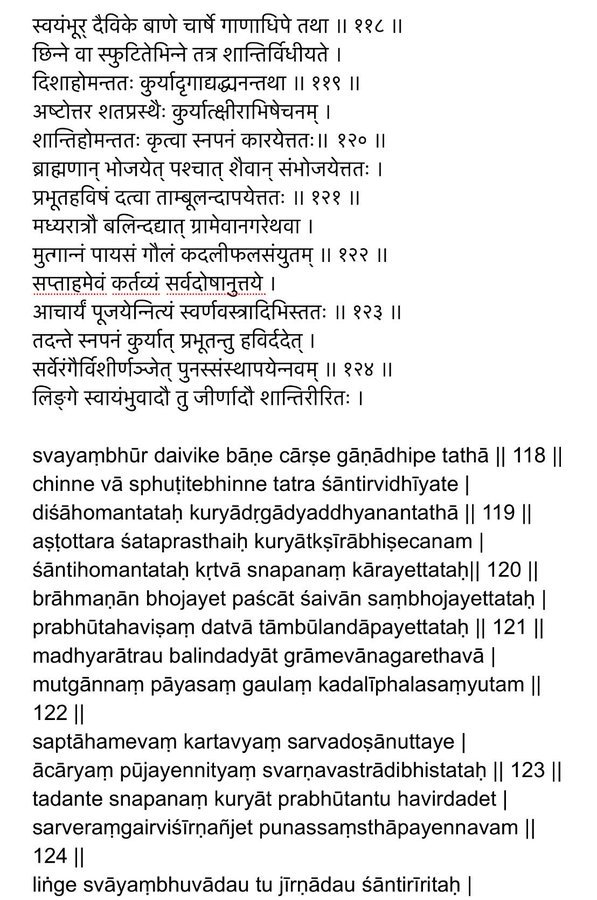
Not literal translation but brief summary: When svayaṃbhū, daivika (by deva), bāṇa (this is from narmadā),ārṣa (by ṛṣis), gāṇādhipa liṅga-s get cut/torn (chinna), opened/cracked (sphuṭita) or broken (bhinna), pacificatory (śānti) rites must be done (vidhīyate).
Following are the stipulated rites:
diśāhoma: 4 agnikuṇḍa-s are built in the 4 cardinal directions & various astra-devatas (personified astramantras) are worshipped. There are even specific recommendations as to the kind of wood (samidh) to be used (not above verses but another chapter).
Following this homa, the recitation of the four vedas starting with ṛgveda is recommended.
aṣṭottara śataprasthaiḥ kuryātkṣīrābhiṣecanam: 108 prastha-s (a unit i’m unsure of but can be verified online)
Following that is śāntihoma (again, detailed instructions for this is given in another chapter) and then snapanaṃ (ablution)
brāhmaṇān bhojayet paścāt śaivān saṃbhojayettataḥ: feeding of brāhmaṇa-s, and then the feeding of pious śaiva-s in general)
Following this, bali-s of rice,pāyasa, etc to be offered i the middle of the night (madhyarātrau) in the village/city in question.
Only pointing these out so that the interested may find it useful & highlight how serious the pacificatory rites were taken by the āgamas. Not claiming that this is what ought to be done at the temple in question. However, it is a priority that proper rites for 1 of the 12 jyotirliṅga-s are done. It will be good to hear if the relevant temple authorities/priests have a plan in mind and if they do, i am personally curious as to what rites do they exactly plan to do
Let us look at some other “obvious” matters. We all know naivedya. So, why is it done? A short exposition from the sacred kAmikAgama:
But the deva (umApati shrIkaNTha, who is different from sadAshiva, the supreme deity) is clear. Your finances don’t matter to him one bit:
Let us look at some other "obvious" matters. We all know naivedya. So, why is it done? A short exposition from the sacred kAmikAgama: pic.twitter.com/kTi7nKMASC
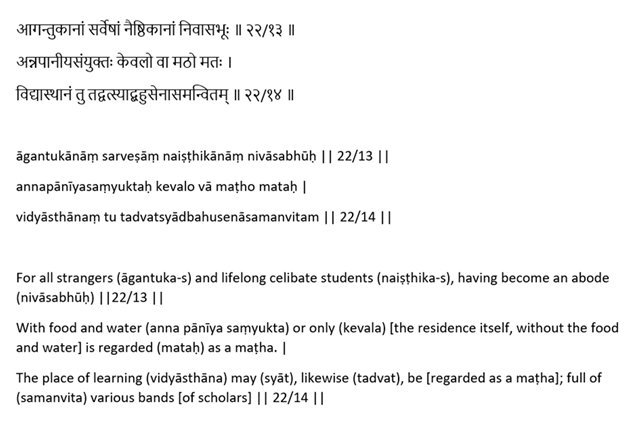
Many Hindus often take a word like maTha for granted given its relative simplicity. But what is a maTha, really? A definition follows: pic.twitter.com/zRDCLnr80i
Many Hindus often take a word like maTha for granted given its relative simplicity. But what is a maTha, really? A definition follows:
A maTha was essentially where both the diamond sword of scholarship & penetrating insights as well as compassion for strangers can be found. The above definition speaks volumes for the noble-mindedness of the text, the tradition the text comes from & followers of that tradition.
The above verses are from the kAmikAgama, the text which governs a large number of shivAlayas in Tamil Nadu even today.
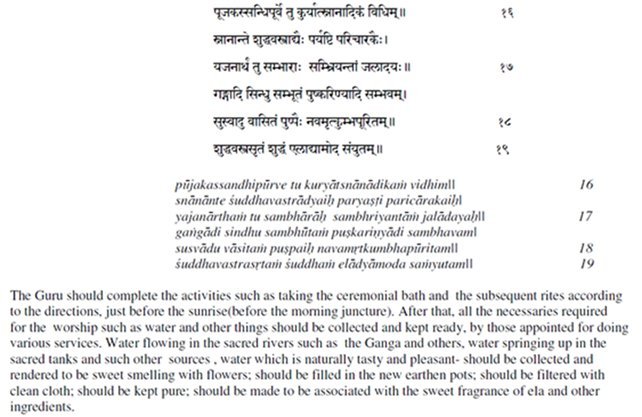
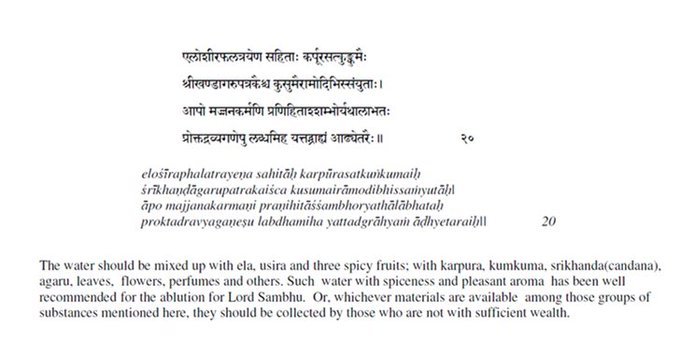
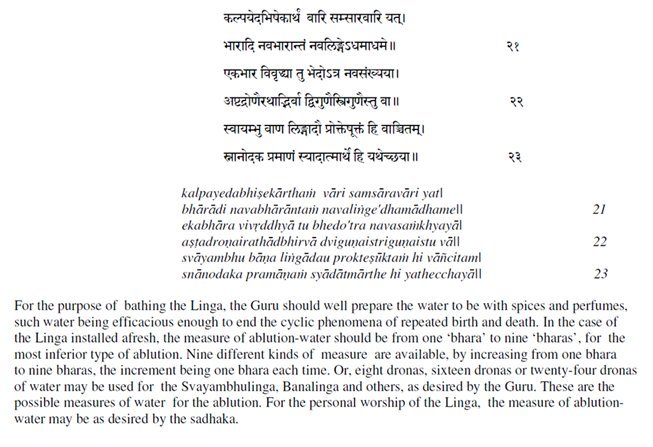
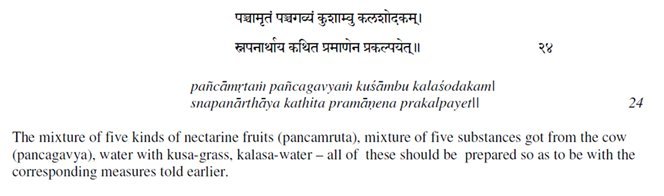
Short thread on snAnAbhiSeka procedure for shiva from kAmikAgama of unrivaled status; 1. pre-abhiSeka preparations & division of labour 👇🏾 pic.twitter.com/NmuIxH9DtA
The importance of building public water works & utilities from a dhArmika perspective. Let us start with a passage from the garuDamahApurANa: pic.twitter.com/pwTkxcdT6p
1. The importance of building public water works & utilities from a dhArmika perspective
Let us start with a passage from the garuDamahApurANa
This wonderful passage is from a saMvAda (dialogue) between shrI kRSNa & garuDadeva. Please note the last shloka quoted (2.38.40), where the merit of arranging for the funeral rites of an orphaned corpse is stated. The mahAsvAmi of kA~nci maTha (the 68th shaMkarAcArya svAmi) made it a point to emphasize the importance of giving orphaned Hindus their due respects at least after their deaths. Those who can read tamizh may read here: http://kamakoti.org/tamil/3dKK64.htm… and http://kamakoti.org/tamil/3dKK65.htm
A brief summary of a paragraph from shrI kA~nci mahAsvAmi’s discourses:
I wanted to do a thread strictly on water works in the Hindu tradition but felt it wrong to not bring this to attention. In line with mahAsvAmi’s vision, there is an organization solely dedicated to rites for orphaned Hindus. Please have a look: http://dharmaa.org
The sponsoring of public water resources was especially adored in Hindu dharma; with teachers stating that its merit goes all the way back to the veda. Here is an excerpt from an article on various dAnas by shrI @/blog_supplement. The importance of kUpAdi (wells, etc) dAnas:
These water works & other public welfare activities were very important in preventing the onslaught of drought and famine in various parts of bhArata. A major reason for the proliferation of public water works & others is the growth of the shaiva & vaiSNava religions.
Again and again, one reads the great works of saiddhAntika shaiva gurus sponsoring water works for the public:
Nevertheless, this great culture was not to die from bhArata. Great AcAryas always endeavored to make water facilities available for the people. (this tweet inspired me to record, very briefly, the role of public water works in our dharma)
Social service rendered by Sri Vyasaraya Tirtha in Andhra dEsha. A snippet on Kandukuru water tank, fully functional to this date, exemplifying his long term vision. https://t.co/nFfXKLoqpV
2. annadAna & the care for orphans & other vulnerable groups in the Hindu tradition.
A beautiful quote from the shivamahApurANa, umAsaMhitA, adhyAya 11, shloka 38:
Part of the instructions given by a shivAcArya to newly initiated disciples on conduct befitting a shaiva. This gem is from the kiraNAgama.
In the 266th अध्याय of the मत्स्यमहापुराण named प्रतिष्ठानुकीर्तनम्, it is said that after the स्थापन ritual of a deity is completed, apart from the priests, 3 categories of people must be given ornaments & clothes: दीन:-abandoned/helpless, अन्ध:-blind, कृपण:-indigent/poor man.
If one wrongly thought this was referring to only the helpless, orphans & distinguished among ब्राह्मणाः, note that after stating दीन, अनाथ, विशिष्ट, etc, the श्लोक ends with ब्राह्मणैः सह-“together with the brAhmaNas”, indicating that the helpless, etc are a separate group.
Also, note the term, “पूजयेत्”. The दीन (destitute) & अनाथ (orphan) must be as honored (given पूजन) as the विशिष्ट (distinguished: Eg: scholars, otherwise famed/worthy etc] or the ब्राह्मणाः (brAhmaNas who lead the prescribed life).
The orphans & helpless are given the same पूजन as the distinguished recipients & didn’t have the gold just thrown at them. But this is unsurprising because the donor, right before alighting from the scales, is asked to remember देवी as सर्वभूतात्मभूतस्थ & that’s the spirit here.
The पुराण explicitly has the donor contemplate देवी as abiding in the souls of all creatures (सर्वभूतात्मभूतस्थ) before he proceeds to donate to various individuals including orphans. But for a famed dharma-hater, our philosophy of ब्रह्मन् in everyone was utterly useless.
3. Some real-life examples of the Hindu legacy
3a. dharmapurI AdhInam: Providing food & oil to the poor:
dharmapuri AdhInam, a renowned shaiva maTha, is one of those few institutions which not only sustained shAstriya scholarship but also provided succour to the poor & hungry.
தருமை 25வது குருமணிகளின் அருளாட்சிக்காலத்தில்… ஆதீனத் திருமடத்து முகப்பில் தினமும் ஏழைகளுக்கு அறுசுவை வழங்குதல்.. உணவருந்திய பிற்பாடு அவர்கள் சந்தனம் பூசிக்கொண்டு குதூகலத்துடன் நிற்கும் அரிய காட்சிகள்…(1953) நன்றி: சிவா பி ஜி எஸ். முகநூல்
Indeed, this great maTha of siddhAnta shaivam is in line with the definition of a maTha in terms of its two-fold function as given by the divine kAmikAgama. Many Hindus often take a word like maTha for granted given its relative simplicity. But what is a maTha, really? A definition follows:
A maTha was essentially where both the diamond sword of scholarship & penetrating insights as well as compassion for strangers can be found.
The above definition speaks volumes for the noble-mindedness of the text, the tradition the text comes from & followers of that tradition. The above verses are from the kAmikAgama, the text which governs a large number of shivAlayas in Tamil Nadu even today. The attached pictures are of dharmapuri AdhInam’s great legacy of feeding the poor & giving them sacred vibhUti to smear on their bodies. Never say that Hindu maThas did not do anything for the poor or that only others do it.
3b. The temple of ErnakuLam mahAdeva providing food for flood victims:
The servants of महादेव/മഹാദേവ are true to his word given in the किरणागम/കിരണാഗമ: अनाथं दुर्बलं भीतं दुर्गस्थं न परित्यजेत्। / അനാഥം ദുർബലം ഭീതം ദുർഗസ്ഥം ന പരിത്യജേത്| “One should not forsake/abandon an orphan, a weak person, a timid one and one standing in distress/difficulty”. Never say that Hinduism is a religion that does nothing for people in distress.
Prasadams for #KeralaFloods Food prepared in Ernakulam Siva Temple for relief camps @HKupdateKollur Shri Mookambika Temple to donate 1 crore Rs for #KeralaFloods via Kerala CM’s relief fund & 25 lakhs for flood relief in Kodagu, SouthWest Karnataka @HKupdate@SriSri@HKupdate
3c. shrI kumArasvAmi maTha :
Founded by that great devotee of skanda & famed tamizh shaiva siddhAntin, shrI kumaraguruparar (कुमरगुरुपरर्); feeding pilgrims in kAshi for more than 300 years. The kumArasvAmi maTha’s parent org is tirupannantAL maTha in TN.
3d. केदारेश्वर (kedAreshvara) temple in Karnataka
This is a record from the केदारेश्वर (kedAreshvara) temple in Karnataka, from the year 1162. See how the temple not only functioned as a site of vedic studies for कालामुख-शैव ascetics but also how the vulnerable were all fed, given medical treatment & safety.
Let us see some of the categories given: दीन/dIna (poor), अनाथ/anAtha (orphans), पङ्गु/paGgu (crippled), अन्ध/andha (blind), बधिर/badhira (deaf), नग्न/nagna (naked/without clothes), भग्न/bhagna (one with broken limbs); this was a place where all these received food & treatment.
Note: अन्नदान-स्थानम्, नानानाथ-रोगिजन-रोध-भैषाज्य-स्थानम्, सकल-भूत-अभय-प्रदान-स्थानम् (annadAna-sthAnam, nAnAnAtha-rogijana-rodha-bhaiShAjya-sthAnam, sakala-bhUta-abhaya-pradAna-sthAnam). A place of medicines for many orphans & sick ones; a place granting safety to all creatures.
This is our dharma. These were not schemes of revolutionaries. The ones behind these welfare works were all traditional institutions, which believed in scriptural study & orthodoxy. Helping one suffering is a deeply entrenched part of our dharma; not something revolutionary.
The 19th पटल of कामिकागम-उत्तरभाग instructs the आचार्य of a शिवालय (head-priest) about the नवनैवेद्य: Offering (नैवेद्य) of fresh/new grains, the 1st fruits (नव). After specifying how the fresh crop-yield should be cut & brought back to the temple, the आगम says:
The offering of the fresh crop-yield is a ritual as well as temple-festival. However, the divine आगम always adds an element of kindness. Having presented the 1st fruits of the harvest to the deity, the आचार्य leading the temple distributes them to temple visitors. Do keep in mind that for this wonderful institution to actually work today, temples need to have something called, “lands” & more importantly, in the control of devout Hindus. The undermining of temple ownership of land will affect such charitable works adversely.
The single most important ceremony/festival at the very heart of a शिवालय is the annual महोत्सव. This is a complex & lengthy ceremony with numerous rites. Here too, following the procession of the deity, there is a distribution of food to all, including strangers & others.
On the विशाख-नक्षत्र of वैशाख मास, शीतकुम्भ-उत्सव is commenced, to pray for rain, food & health during the brutally hot season that brings drought & drought-related diseases. The king himself sponsors the festival & at the end the helpless (दीन) & orphans (अनाथ) are fed.
The धर्म places a lot of emphasis on the well-being of servants & others who do various works for us:
कामम् आत्मानं भार्यां पुत्रं वा उपरुन्ध्यान् न तु एव दास कर्मकरम् / – आपस्तम्ब-धर्मसूत्र, (प्रश्न २, खाण्ड ९, सूत्र ११)
“If he (a householder) so desires, he may interrupt [the apportioned food] for himself, his wife or children but never indeed [he must deprive] a servant who does works for one.”
The verse may look like an exaggeration but it reflects the importance attached to the proper care & well-being of one’s domestic helpers or other workmen under one’s care.
Cheap-ass director of cheap-ass movies, Pa Ranjith, insults our great king rAjarAja chOzha as a robber of dalit lands. There is zero evidence for this assertion. On the contrary…(read on)++ https://t.co/yQYqwv1jkB
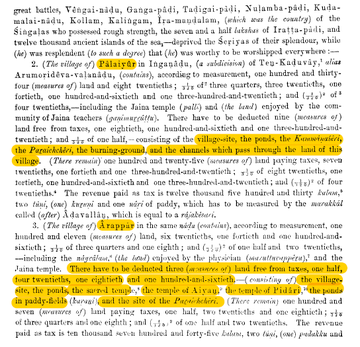
A director in Tamil film industry, insults our great king rAjarAja chOzha as a robber of dalit lands. There is zero evidence for this assertion. On the contrary, although land was (and still is) recognized as belonging to the state, rAjarAja recognized the separate lands owned by paRaiyars (पऱैयर्-s), a caste well-recognized as dalit today and gave them tax-exemptions, along with Hindu temples & Jain monasteries.
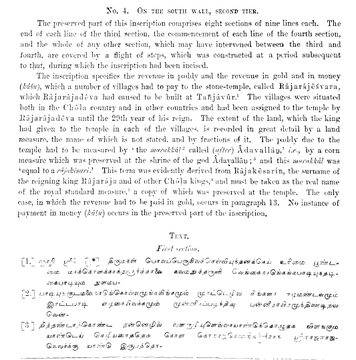
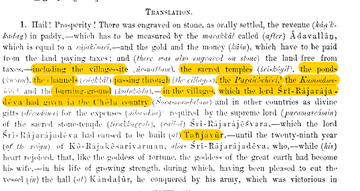
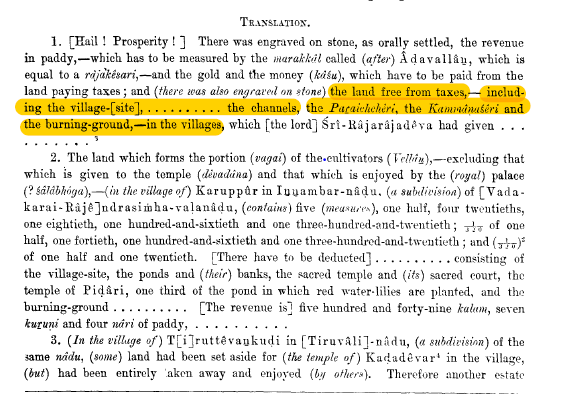
Here are two inscriptions from the great shiva temple of tanjAvUr (तञ्जावूर्), the बृहदीश्वर. The first one is from the second tier of the south wall. Will post original and translation; have even highlighted relevant portions. This is but a sample.
You can also read the english here if the print is difficult: https://www.whatisindia.com/inscriptions/south_indian_inscriptions/volume_2/no_4_south_wall_second_tier.html#_ftnref21
paRayas, apart from kammanas (artisans), Agamika temples (referred to as shrI-koyil) but also village temples (of ayyan & piDAri); these & many more were deducted from the chOzha tax “grid”. What you see here is just a small sample. It shows the tax scheme for tanjAvur (the capital, तञ्जावूर्) & 2 villages: palaiyUr (पलैयूर्) & ArappAr (आरप्पार्) in the chOzha empire. In each of these 3 units, paRayas were given tax exemption for their lands along with temples.
A vicious conspiracy is taking place—to portray one of bhArata’s most revered and loved kings as a “dalit oppressor”; the noble king who engraved the name of every person of every community who contributed to the building of one of the greatest temples ever. Those who call themselves Hindus must show that this endless playing of the victimhood card by some anti-hindu, filthy ideologues cannot & will not be allowed to tar the image of our religion & great forebears whose memories we cherish. Long live rAjarAja & his blessed name!
There is now a toxic thinking that if some people invoke certain cards or activate certain triggers, the Hindus will cowardly allow them to get away with anything they do or say. Any tamizh who insults great forebears like rAjarAja should not dwell peacefully on tamizh soil.
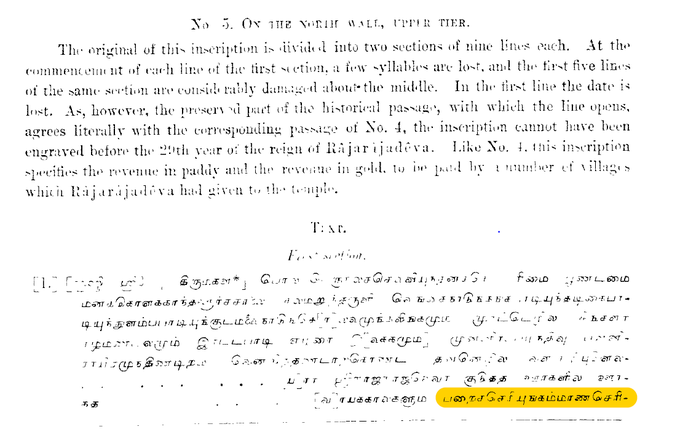
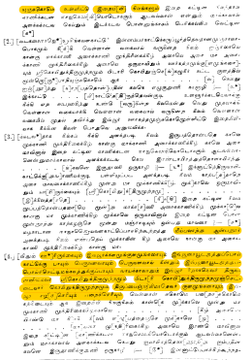
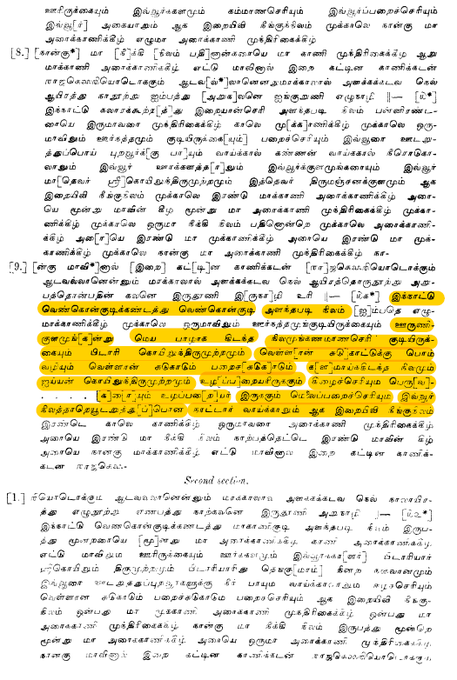
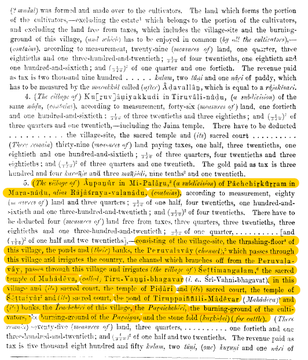
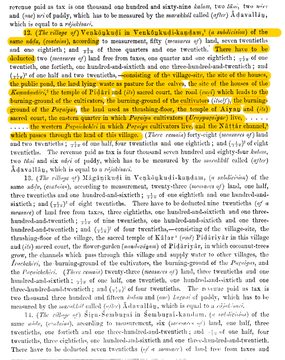
The second inscription is from the upper tier of the north wall of the same temple (बृहदीश्वर). Again, I will post original as well as translation, along with highlights of relevant parts. Those knowing tamizh can confirm the translation with little difficulty:
Translation of relevant parts, with highlights corresponding to exact portions highlighted in original:
Certain lands, we see, are exempted from tax in every village. Again, this is just a sample. Posting the entire original of the inscription here with highlights will be a long and tiring exercise. We see that the lands of paRayar cultivators were clearly exempt from tax.
We also note that rAjarAja did not differentiate between Agamika temples (Which his inscriptions refer to as “shrI-koyil”) and the local village temples for deities such as ayyanAr or piDAri. He exempted the lands of both types of temples from taxes.
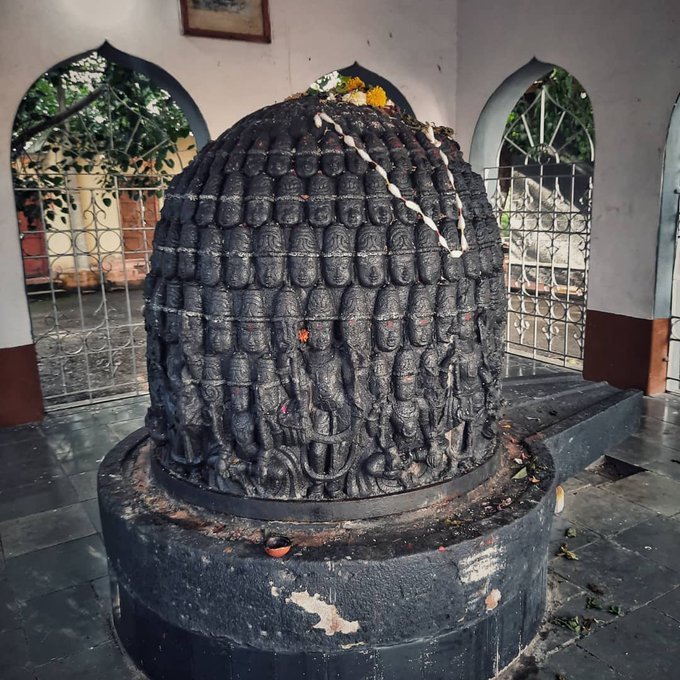
Kuḍalasaṅgama-Kṣetra & the Liṅga represents the Great Vyomavyāpī mantra of the Siddhānta tradition. Something many may not know is the fact that KN was once a great hub of Saiddhāntika Śaivam.
This a mantra of 368 syllables. But more importantly, it is a mantra of 81 words. In Śaiva metaphysics, the entirety of material existence (the “pure”, “pure-impure” & “impure” realms) can be mapped out in 6 various ways. 1 of those ways is the पदाध्व-
The Vyomavyāpī is considered supremely great because it encompasses ALL of “insentient matter” which is the raw material cause for the worlds, instruments, bodies & objects in the pure & impure dimensions.
How the 81 words map out to the 36 Tattvas & other such dimensions is something that I can’t elaborate here itself. I may do an article on it sometime though it is best grasped through a Guru steeped in the Siddhānta.
The mantra also has secret meanings, which have been expounded in Siddhānta scripture as well as by the Ācāryas. I had briefly touched upon this here, upon request:
Another way one can interpret the 2 व्योम-s is simply that they refer to the two spaces within which शुद्धमाया & अशुद्धमाया exist.
To give a little more idea of its importance, it has to be grasped in the context of ritual. Here, that would be Dīkṣā (initiation).
In Siddhānta initiation, the soul, though all-pervasive, has to “climb” through the ontological ladder to reach the state beyond all insentient matter & bondages. Initiation allows this extremely complex act to happen with our own very imperfect bodies & limbs as tools.
What can possibly link acts happening at an infinitesimal, micro-level (our body, etc) & the realities of a grand ontological framework (all pervasive soul realizing its innate divinity by coursing through levels)?? The link is through the form of mantras.
We “call” those levels by employing the mantras meant for that level. We get an initiate’s soul to that level & make the soul enjoy the offerings of that level & then sever its association with that level —all by means of mantras.
These mantras accomplish the grand acts. But it is the all-pervasive Śiva who has to command these mantras. Who else has authority to command the mantras who lord over even the lords of the lords of gods?
The Ācārya, who has received the Ācāryābhiṣeka — when he calls upon these mantras in his capacity as Śiva himself, they carry out their functions & help the soul realize its innate Śivatva.
So, you just have to “call” those ontological levels & “speak into being” the changes you want at those levels. There are different ways of “making the ontological shake-ups” happen. 6 as the Siddhānta puts it. And 1 of those ways of calling is the way of words – the Padādhva.