Great traditional Ācāryas of old engaged in fierce debate.
At times, they wrote treatises even against highly venerated elders of their own Sampradāya, because of their zeal for what they saw as the correct Siddhānta & the intellectual honesty in being vocal about it.
Meanwhile, you have here a group of people who are convinced about the omniscience of their teacher & have zero tolerance for the slightest criticism. In fact, they are offended that people are even shocked by what they heard.
And they accuse Satsampradāyikas of being rigid & blind.
See, this is where Hindus need to appreciate the value of their Śāstras. They provide a safeguard against personality cults because even the highest Ācārya of a Śāstriya Satsampradāya MUST be accountable to the Mūlaśāstras & Pūrvācārya-granthas.
Jokers are those who accuse unenforceable Śāstras (which they can violate with impunity anyday, anytime) of robbing them of their freedom & individuality but can’t see how they are magically unable to critically engage a single man’s comment, whatever it is.
They are robbed of the freedom & individuality they celebrate so much but can’t see the robbery. This is not Gurubhakti. Don’t use that label. Gurubhakti is not the suspension of thinking, standards or thresholds.
Sūreśvarācārya could depart from his Guru, Śaṅkara on some views. Madhusūdana Sarasvatī could depart from Śaṅkara as well. A Śrībhāṣya was born because a Kūreśa could raise questions about his Guru, Rāmānuja’s definition of a Jīva.
Kāśmīra Śaivācārya Rāmakaṇṭha could pay his deep respects to Saiddhāntika Ācārya Bṛhaspati while disagreeing with him on the correct view regarding a tricky issue in Siddhānta—The liberation of the highest of all beings endowed with divine authority, Ananta the Vidyeśvara.
Kumārila writes his Tantravārttika on Śabarasvāmī’s Mīmām̐sasūtrabhāṣya but does not hesitate to depart from his predecessor’s commentary on the Mīmām̐sasūtra in several places.
There was an ancient practice where some studied all the Vedas for a grand total of 48 years (from the day of their Upanayana). This is a practice that is cited with respect by even Baudhāyana though he too notes the inherent problem.
Śabarasvāmī deconstructs this provision brutally, stating that it contradicts the Veda’s command to set up Śrautāgni while the hair is still black & must have a hetu (reason “ulterior motive”) where men hide their lack of manhood & use the 48 years as an excuse to avoid marriage.
Medhātithi has no hesitation rejecting the opinions of sages that approve of voluntary sahagamana, saying that they fall foul of the Veda’s command to not end one’s life before the natural expiry.
வருடத்தின் இந்த புனிதமான நேரத்தில், மகாபாரதத்தில் அவருடைய குறிப்பிட்ட வடிவமான ஸ்ரீகண்ட-ருத்ரரின் பங்கைப் பற்றிய இந்த நூலை சிவனுக்கு அர்ப்பணிக்கிறோம்.
சிறந்த शिशि & சம்பிரதாயவாதி, பக்-டால்பிய கால்நடைகளுக்காக திருதராஷ்டிரத்தைக் கேட்கிறார், அவர் அவரை ஒரு பிரம்மபந்து என்று ஆணவத்துடன் அழைக்கிறார். “பிராஹ்மணன்” என்று பொருள் பின்னர் பக்-தால்ப்ய, நோயுற்ற கால்நடைகளின் இறைச்சிகள் மற்றும் கருப்பு அரிசி தானியங்களுடன் முழு குரு ராஜ்யத்தையும் அக்னி-ருத்ரவத்துக்கு வழங்குகிறார், குரு நாடு வீணாகிறது, திருதராஷ்ட்ரர் தனது தவறை உணர்ந்து ரிஷியிடம் தனது ராஜ்யத்தை விடுவிக்கும்படி கெஞ்சுகிறார். ஆனால் குருக்கள் ருத்ரனுக்கு பலி கொடுக்கத் தொடங்கினர், இது இன்னும் இரத்தக்களரி தியாகம் நடக்கவிருப்பதை முன்னறிவிக்கிறது. ஷால்யபர்வத்தில் பலராமரின் யாத்திரையுடன் கொடுக்கப்பட்ட கணக்கை, கிருஷ்ணயஜுர்வேதத்தின் காத்தக்-சம்ஹிதாவில் கொடுக்கப்பட்ட கணக்குடன் சேர்த்துப் படிக்க வேண்டும்.
5 பழைய இந்திரர்களை சிறையில் அடைத்தவர் சங்கர் என்று வியாஸ் துருபதிடம் விளக்குகிறார்.
மன்னன் ஸ்வேதகிக்கு இடைவிடாமல் யாகங்களைச் செய்ய வேண்டும் என்ற தனது கனவை நிறைவேற்ற சிவன் உதவுகிறார் (சாதாரண மனித ஆசாரியர்கள் மிகவும் பலவீனமாக இருப்பதை நிறைவேற்றுவதற்காக துர்வாஸை அனுப்புகிறார்) ராஜா அக்னியில் 12 ஆண்டுகள் தடையின்றி நெய் ஊற்றினால். ராஜா இந்த நிபந்தனையை நிறைவேற்றி, அக்னியின் அஜீரணத்தை ஏற்படுத்துகிறார், இதையொட்டி கிருஷ்ணர் & அர்ஜுனன் ஆகியோரை வரவழைத்து காண்டவ-தஹனுக்கு உதவ வேண்டும், இது மரணத்தை ஏற்படுத்தும்.
சங்கர் தனது முந்தைய ஜென்மத்தில் 5 இந்திரர்கள் மற்றும் திரௌபதிகளின் பொதுவான கூட்டாளியாக ஸ்ரீயை நியமிக்கிறார், ஒரு நல்ல கணவனை அடைய மகாதேவருக்கு தபஸ் செய்கிறார், மேலும் பெரிய கடவுள் தோன்றும்போது, கடவுளின் புன்னகையை “ஆம்” என்று புரிந்து கொள்ளாமல் 5 முறை வரம் கேட்கிறார். இது அவளுடைய அடுத்த ஜென்மத்தில் நடக்கும் என்று அவர் அவளுக்கு உறுதியளிக்கிறார். இந்தக் கதையைக் கேட்ட துருபதர், பலதார மணம் செய்யும் பாவம் சங்கரால் அங்கீகரிக்கப்பட்டதால் தன்னைத் தொடாது என்று கூறுகிறார்.
யுதிஷ்டிரர் ராஜசூயத்தைச் செய்ய லட்சியமாகவும் ஆர்வமாகவும் இருந்தார், ஆனால் தேவையான செல்வம், வளங்கள் மற்றும் இராணுவ வலிமை இல்லாமல், அது ஒரு வீண் முயற்சியாக இருக்கும். சிவன் ஜரஸந்தை தோல்வியின்றி வெற்றி பெற ஆசீர்வதித்து 86 க்ஷத்ரியர்களையும் அவர்களது படைகளையும் கைப்பற்ற அனுமதித்தார். ஜரசந்த் தனது பிடிபட்ட மன்னர்களின் எண்ணிக்கை 100 ஐ எட்டும்போது, தனது பாதிக்கப்பட்ட அனைவரையும் மகாதேவருக்கு பலி கொடுப்பதாக சபதம் செய்திருந்தார். ஜரசந்தனால் மதுராவை விட்டு வெளியேற வேண்டியிருந்தது என்று கிருஷ்ணர் கூறுகிறார். இறுதியில், பீமன், அர்ஜுன் & கிருஷ்ணரின் கூட்டணி ஹம்மைக் கொன்று, யுதிஷ்டிரருக்கு ராஜசூயருடன் உதவுவதற்காக அந்த 86 மன்னர்களும் விடுவிக்கப்படுகிறார்கள். இது ஏன் முக்கியமானது? யுதிஷ்டிரரின் & நீட்டிப்பாக, பாண்டவர்களின் செல்வம் தான் துர்யோதனனை பொறாமைப்பட வைக்கிறது மற்றும் பகடை விளையாட்டைப் பற்றி சதி செய்யத் தொடங்குகிறது. ராஜசூயரின் வெற்றியின் அளவு, ஜரசந்தைத் தோற்கடித்த பாண்டவ-கிருஷ்ணரைப் பொறுத்தது. சிவபெருமான் தனது அருளைத் திரும்பப் பெற்று, வேறொருவரால் முன்னதாகவே தோற்கடிக்க அனுமதித்திருந்தால், ராஜசூயனுக்கு அந்த வெற்றி கிடைத்திருக்காது.
ஒரு சண்டைக்குப் பிறகு அர்ஜுனனுக்கு பிரம்மசிரஸ் ஆயுதத்தை சிவபெருமான் வழங்குகிறார், அங்கு அவர் பிந்தையவரை இரத்தக்களரியாக விட்டுவிடுகிறார். இந்தப் போராட்டம் ஒரு சிறந்த திருப்புமுனையாகும். பகவானுடனான நெருங்கிய தொடர்பு அவருக்கு ஒரு பெரிய ஆசீர்வாதமாக மாறும்.
ஒருமுறை துர்யோதனனை காந்தார்வங்களிடமிருந்து அர்ஜுனன் மீட்க வேண்டியிருந்தபோது, அவர் மனச்சோர்வடைந்து இறந்து சொர்க்கத்தை அடைய விரும்புகிறார். தானவர்களும் தெய்வீகர்களும் அவர் தங்கள் நோக்கத்தை வலுப்படுத்தப் பிறந்தார் என்பதை அறிவார்கள், அவர் சாகும் வரை உண்ணாவிரதம் இருந்தால் அது விரக்தியடையும். அவர்கள் ஒரு கிருத்யாவின் (அதர்வவேத்-சடங்கு மூலம் இங்கு உருவாக்கப்பட்ட ஒரு தெய்வம்) உதவியுடன் அவரை தங்கள் உலகத்திற்கு அழைத்து வந்து, அவரது மேல் 1/2 பகுதியை மகாதேவர் வஜ்ரங்களால் உருவாக்கினார் என்றும், அது மிகவும் வலிமையானது என்றும், அவரது கீழ் 1/2 பகுதியை உமா உமாவால் உருவாக்கினார் என்றும், இதனால் அது மென்மையாகிறது என்றும் கூறுகிறார்கள். மேல் உடலில் உள்ள இந்த வலிமையும் கீழ் பகுதியில் உள்ள பலவீனமும் துர்யோதனனுக்கும் பீமனுக்கும் இடையிலான இறுதிப் போரில் மிக முக்கியமானதாக இருக்கும்.
சிவனிடமிருந்து ஜெயத்ரதனுக்குக் கிடைத்த வரம், மறுமுனையில் சண்டையிட்டுக் கொண்டிருந்த அர்ஜுனனைத் தவிர, அனைத்து பாண்டவர்களும் அவர்களது முழுப் படையும் அவரால் கட்டுப்படுத்த முடிந்தது, இதனால் அவர் அபிமன்யுவை எதிர்ப்பு இல்லாமல் கொல்ல முடிந்தது.
சிவன் அர்ஜுனனுக்கு பாசுபதாஸ்திரத்தை வழங்குகிறார்
துரோணனின் மரணத்திற்குப் பிறகு, அஸ்வத்தாமா கோபமடைந்து, 3 முக்கிய பாண்டவ வீரர்களைக் கொன்றுவிடுகிறான். அர்ஜுன், வருத்தம், ஒரு சண்டை அவரை சவால். அஸ்வத்தாமா கிருஷ்ணன் & அர்ஜுன் மீது அக்நேயாஸ்த்பை சுடுகிறார், ஆனால் அது அதிக எண்ணிக்கையிலான இராணுவத்தை எரித்தாலும், அந்த 2 பேருக்கும் அது தீங்கு விளைவிக்காது. மனமுடைந்து, “திக்திக்சர்வமிதம் மித்யா” (“ஃபை, ஃபை; இதெல்லாம் பொய்”) என்று கூறி, வியாசரிடம் இருந்து தெளிவு பெறுவதற்காக போர்க்களத்தை விட்டு வெளியேறுகிறார். தபஸ்ஸில் மகிழ்ச்சியடைந்த சங்கர், நாராயணனுக்கு முன்பு ஒரு வரம் அளித்து, தான் எப்போதும் வெல்ல முடியாதவனாக இருப்பேன் என்றும், சங்கரே போரில் தன்னை எதிர்கொண்டால், பிந்தையவரை வெற்றி பெறச் செய்வேன் என்றும் வியாசருக்கு விளக்குகிறார்.
அர்ஜுனன் தனது ஆயுதத்தைப் பயன்படுத்தாவிட்டாலும், தனது அனைத்து வீரர்களையும் கொல்லும் ஒரு பிரகாசமான தேவதையைக் காண்கிறான். போர்க்களத்தில் அனைத்து செயல்களையும் செய்பவன் சங்கர் என்று வியாச விளக்குகிறார்.
இரவுத் தாக்குதல், அங்கு அஷ்வத்தாமா, மகாதேவரின் ஆவேசத்துடன், द्वत्तद्युमन & உபபாண்டவர்களைக் கொன்று, போர் தியாகத்தின் முடிவைக் குறிக்கிறது, அங்கு ருத்ரன் தியாக இடத்தில் எஞ்சியிருக்கும் எச்சங்களை (18 ஆம் தேதி மாலைக்குப் பிறகு முகாமில் எஞ்சியவை) எடுத்துச் செல்கிறார்.
மேலும் 3 புள்ளிகளைச் சேர்க்க மறந்துவிட்டீர்கள். தேர்ந்தெடுக்கப்பட்ட எந்த தேவரையும் குழந்தை பெற அழைக்கும் வரத்தை குந்தி பெற்றார். இந்த வரத்தை வழங்கியது யார்? மகாபாரதத்தில் வேறொரு இடத்தில் சிவனே தனது சொந்த அஞ்ச (பகுதி) என்று விவரிக்கும் துர்வாசர்.
காந்தாரிக்கு நூறு மகன்களைப் பெறும் வரத்தை வழங்கியது யார்? மீண்டும், அது சிவம் மட்டுமே. தேவர்களுக்கும் அசுரர்களுக்கும் இடையிலான விதிக்கப்பட்ட போருக்கு, அசுரர் தரப்பிற்கு மகா கடவுள் 100 ஐ வழங்கினார்.
சிகண்டி (அம்பாவின் பழிவாங்கல்) காரணமாக சிகண்டி மற்றும் பீஷ்மரின் வீழ்ச்சியாக அம்பாவின் மறுபிறவி அனைத்தும் சிவனின் ஆசீர்வாதங்களால் எளிதாக்கப்படுகின்றன.
சிவனால் எளிதாக்கப்பட்ட ஒரு சிறிய விஷயம் இறுதியில் ஒரு பெரிய முடிவுக்கு வழிவகுத்தது என்பதற்கு இன்னும் ஒரு எடுத்துக்காட்டு உள்ளது (ஷ்வேதகிக்கு அவர் விதித்த நிபந்தனையைப் போலவே, 12 வருட தொடர்ச்சியான நெய் காணிக்கை, பரிசிதர் மற்றும் நாகர்கள் மீது கடுமையான விளைவுகளை ஏற்படுத்தியது).
இப்போது, யாதுவின் பரம்பரையில், கிருஷ்ணரின் தந்தை வசுதேவர் மற்றும் ஒரு சினி இருந்தார். இப்போது, சினி தேவகியின் சுயம்வரத்தில் கலந்து கொண்டு, அங்குள்ள மன்னர்களை தோற்கடித்து, தேவகியை தனது தேரில் நிறுத்தி, தனது குலத்தவரான வசுதேவருக்கு மணமகளாக அழைத்துச் செல்கிறார். இப்போது, சாந்தனுவின் சகோதரனும் பிரதிபனின் பேரனுமான பாஹ்லிகரின் மகன், சோமதத்தனால், அந்த யாதவின் இந்த வலிமையைக் காண்பதைக் கண்டு தாங்க முடியவில்லை, இது சினியை ஒரு சண்டைக்கு சவால் விடுகிறது. அந்தச் சண்டையில், சினி சோமதத்தனை தரையில் குத்தி அவமானப்படுத்துகிறார், மேலும் அவரது தலைமுடியை ஆயிரக்கணக்கான கத்ரியர்களின் முன் பிடித்துக் கொண்டு, அவரை “கருணை” காட்டுகிறார். பின்னர் சோமதத்தர் மகாதேவரிடம், அந்த அவமானத்தை சினியின் மகனுக்குத் திருப்பித் தரும் ஒரு மகனுக்காக பிரார்த்தனை செய்கிறார். சோமதத்தரின் அந்த மகன் பூரிஷ்ரவஸ் & சினியின் மகன் சாத்யகி. போரின் போது, வார்ஷ்ணேய (யாதவ) வீரர்களின் வெல்ல முடியாத தன்மை இருந்தபோதிலும், மகாதேவரின் அருளால் பூரிஷ்ரவஸ் சத்தியகியை முழுமையாகக் கைப்பற்ற முடிந்தது. பல தசாப்தங்களுக்கு முன்பு தனது தந்தைக்கு நடந்தது போல, அனைவரும் பார்க்கும்போது, அவரை அவமானப்படுத்தும் விதமாக தரையில் இழுத்துச் செல்கிறார். இறுதியில், அர்ஜுனன் அம்பை எய்து, அர்ஜுனனைப் பார்க்கக்கூட முடியாத பூரிஷ்வரஸின் கையை வெட்டி விடுவதன் மூலம் சத்தியகியைக் காப்பாற்றுகிறார். போரில் ஈடுபட்ட ஒருவரை இன்னொருவருடன் தாக்குவதன் அநீதியை பூரிஷ்வரஸ் கேள்வி எழுப்பும்போது, கிருஷ்ணர் அபிமன்யுவின் மரணத்தில் தனது சொந்த பங்கை அவருக்கு நினைவூட்டுகிறார். மனச்சோர்வடைந்த அவர் தியானம் செய்ய அமர்ந்திருக்கிறார், அவமானத்தால் சோர்வடைந்து, சத்தியகி வெட்கமின்றி அவரைக் கொல்கிறார்.
இருங்கள், இதில் என்ன முக்கியம்? சில குறைவாக அறியப்பட்ட கதாபாத்திரம் இறந்துவிட்டது. அப்படியானால்? இப்போது, கௌரவப் பக்கத்திலிருந்து 3 போர்வீரர்கள் மட்டுமே தப்பிப்பிழைத்தனர் – அஷ்வத்தாமா, கிருபாச்சாரியார் & கிருதவர்மா. இப்போது, கிருதவர்மாவும் சத்தியகியைப் போலவே ஒரு யாதவராக இருந்தார், இருப்பினும் எதிர் பக்கத்தில் சண்டையிட்டார்.
பாருங்கள், சத்தியகி தனது அவமானகரமான செயலுக்காக இரு தரப்பினராலும் கண்டிக்கப்பட்டார் & காலம் தற்காலிகமாக மக்களை மறக்கச் செய்தாலும், அத்தகைய தீய நற்பெயரை ஒருவர் ஒருபோதும் இழக்க மாட்டார். போருக்கு 36 ஆண்டுகளுக்குப் பிறகு, யாதவர்கள் போதையில் இருந்த ஒரு நல்ல நாளில், கிருதவர்மா சத்தியகியை தனது செயலுக்காக இழிவுபடுத்தி, அதைப் பற்றி அவரைக் கேலி செய்கிறார். யாதவர்கள் ஒருவருக்கொருவர் படுகொலை செய்யத் தொடங்கிய யாதவர் இந்தர்-குலப் படுகொலையின் தொடக்கப் புள்ளி இது. சோமதத்தன், தனது எதிரியின் மகனுக்கு எதிராக தனக்கு ஏற்பட்ட அவமானத்திற்குப் பதிலடி கொடுக்கும் வகையில், சிவனிடம் அந்த வரத்தைக் கேட்காமல் இருந்திருந்தால், சத்தியகியின் பழிவாங்கலுக்குப் பதிலாக இந்த அவமானகரமான கொலை நடந்திருக்காது, அது யாதவர்களின் இறுதி மோதலுக்கு ஒரு தூண்டுதலாக மாறியிருக்காது!
“எல்லோரும் தாங்கள் சூதாட்டக்காரர்கள், ஆபத்தான விளையாட்டுகளில் ஈடுபடுபவர்கள் என்று நினைக்கிறார்கள், பின்னர் இந்த சூதாட்டக்காரர்களுடன் பகடை மற்றும் பந்தயங்களாக விளையாடும் ஒரு கடவுள் வருகிறார்.”
ஸ்ரீகண்ட-ருத்ரன் பக்தியுடன் வேதம் ஓதும் எளிய பிராஹ்மணர்களிடமோ அல்லது கோப் (கோப்) அல்லது காலை சூரியன் உதிக்கும்போது தண்ணீர் சுமக்கும் பெண்களிடமோ மிகவும் இரக்கமுள்ளவர். அதிகாரத்தில் இருப்பவர்களை அவர் பகடை போல தூக்கி எறிந்து விடுகிறார். அந்தப் பெரிய கடவுளுக்கு, 1000 சாஷ்டாங்க நமஸ்காரங்கள்!
பின்குறிப்பு: கௌரவர் தரப்பிலிருந்து தப்பிப்பிழைத்த 3 வீரர்கள் மட்டுமே ஏதோ ஒரு வகையில் சிவனுடன் தொடர்புடையவர்கள். அஷ்வத்தாமா ருத்ரரின் ஒரு பகுதியிலிருந்து பிறந்தவர். கிருபாச்சார்யா என்பது ருத்ரர்கள் மற்றும் கிருதவர்மா மருத்யர்களின் பங்களிப்பாகும்; இரு வகை கடவுள்களும் ஹரனின் குழந்தைகளைப் போன்றவர்கள்.
அவர்கள் உயிர்வாழ்வதற்கான காரணம், சிவனோ அல்லது அவரது அதிகாரம் பெற்ற முகவர்களாகச் செயல்படுபவர்களோ சாதாரண ஒழுக்க விதிகள் அல்லது மற்றவர்களைப் பிணைக்கும் “உணரப்பட்ட” நீதியால் கட்டுப்படுத்தப்படவில்லை. அவர்களுக்கு ஒரு தெய்வீக நோக்கம் உள்ளது, அதன் ஒழுக்கம் உடனடியாக உணரக்கூடிய சூழ்நிலைகள் மற்றும் கதாபாத்திரங்களை மீறுகிறது.
ஒரு சாதாரண மனிதனுக்கு, மேற்கண்ட மூவரால் நடத்தப்படும் இரவுத் தாக்குதல் கொடூரமானது மற்றும் கொடூரமானது என்பதற்குக் குறைவே இல்லை. இருப்பினும், பிரம்மாண்ட புராணம் நமக்குச் சொல்வது போல், உபபாண்டவர்கள் பூமியில் நீண்ட காலம் வாழக்கூடாது என்ற வரத்தைப் பெற்றிருந்தனர். சிவபெருமான் அவர்கள் விரும்புவதை மட்டுமே தருகிறார்.
புத்த அவதாரமான அபிமன்யுவுக்கும் இதுவே பொருந்தும். அவரது தந்தை சந்திரதேவர், தனது மகன் 16 வயதிற்குள் பூமியை விட்டு வெளியேற வேண்டும் என்ற நிபந்தனையின் பேரில், தேவர்களின் மனித அவதாரங்களுக்கும் அவர்களின் எதிரிகளின் அவதாரங்களுக்கும் இடையிலான விதிக்கப்பட்ட போருக்கு பங்களிப்பாக தனது மகனைப் பிரிந்து செல்வதாக வாக்குறுதி அளித்திருந்தார்.
தृஷ்டத்யும்னத்தைப் பற்றி என்ன? பாருங்கள், போர் ஒரு பெரிய வேத யாகம் (ஷ்ரௌதயாகம்) என்றும், தृஷ்டத்யும்ன தக்ஷிணா (யாகம் நடத்த உதவுவதற்காக ऋत्विजகளுக்கு வழங்கப்படும் கட்டணம்) என்றும் விவரிக்கப்படுகிறது! 4 முக்கிய அர்ச்சகர்கள் யார்? கிருஷ்ணன் & குந்தியின் 3 மகன்கள்!
யாகம் முடிந்த பிறகு (அதாவது போருக்குப் பிறகு) 4 பூசாரிகளுக்கு (பாண்டவர்களுடன் சென்றிருக்க வேண்டும்) தக்ஷிணா ஷுக்டு வழங்கப்பட்டது, ஆனால் அது யாகம் நடைபெறும் இடத்தில் (அதாவது முகாமில்) விடப்படுகிறது. இப்போது, ஸ்ருதி நமக்கு என்ன சொல்கிறது?
ஒப்புக்கொள்ளப்பட்ட தக்ஷிணா கூட யாகம் நடைபெறும் இடத்தில் விடப்பட்டால் ருத்ரனின் ஒரு பகுதியாக மாறக்கூடும் என்று அது நம்மை எச்சரிக்கிறது. மேலும் ருத்ரன் உண்மையில் தனது எச்சங்களை உரிமை கோருகிறார்.
சிவனின் அழகு என்னவென்றால், அவர் எந்தக் குழுவின் பக்கத்திலும் இல்லை. அசுரர்கள் தயா இல்லாததால் அவதிப்படுகிறார்கள், மனிதர்களாகிய நாம் தானமின்மையால் அவதிப்படுகிறோம், தெய்வங்கள் தமாமின்மையால் (சுயக்கட்டுப்பாடு) இல்லாததால் அவதிப்படுகிறார்கள் என்று ஸ்ருதி நமக்குச் சொல்கிறது. அப்படியானால், திருத்தம் இல்லாமல் அவர்களுக்கு தொடர்ந்து உதவுவது அவர்களுக்கு எவ்வாறு நன்மை பயக்கும்?
எனவே, அறியாமை, தேவ, அசுர அல்லது வேறுவிதமாகக் காட்டும் எவரையும் சிவம் இடத்தில் வைக்கிறது. இதனால்தான், அன்தக் போன்ற அசுரனை மீட்டு, சிவனின் கணநாதமாக்க முடியும்.
மற்றொரு விஷயத்தைச் சேர்க்க, கிருஷ்ணரால் யுதிஷ்டிரருக்கு சிவசஹஸ்ரநாமம் வெளிப்படுத்தப்பட்ட பிறகு, பல்வேறு முனிவர்கள் சிவனை வழிபடுவதன் மகிமையைப் பற்றிப் பேசுகிறார்கள் & அவர்களில், பராஷர்-ரிஷி, வேதவியாசராக இருக்கும் ஒரு மகனுக்காக மகாதேவரை வழிபட்டதாகவும், சிவம் அவர் கேட்டதை விட அதிகமாக அவருக்கு ஆசீர்வதிப்பதாகவும் கூறினார். அவர் ஒரு வேதவியாஸ் (வேதாநாம் च स वै वै वक्ता) ஆக மட்டுமல்லாமல், சாவர்ண-மனு சகாப்தத்தில் சப்த-நோஷியில் 1 ஆகவும் இருப்பார். சப்தர்ஷிஷ் भவிஷ்யதி), ஒரு இதிஹாஸ் & புராணங்களின் ஆசிரியர் மஹாபாரதத்தின் சம்பந்தம்?
இந்த பராஷர்-யோஷியின் மகன் குருவின் (குருவன்ஷகர்) வம்சாவளியை உருவாக்குபவராக இருப்பார் என்று மஹாதேவர் ஒரு குறிப்பிட்ட ஆசீர்வாதத்தையும் கொடுக்கிறார், இருப்பினும் இது குறிப்பாக கோஷியால் கோரப்படவில்லை. உண்மையில், வியாஸ் குருவின் வரியை மிக நெருக்கடியான நேரத்தில் புத்துயிர் அளித்தார்! சபாபர்வத்தில், ராஜசூயத்தின் நிறைவுக்குப் பிறகு (ஒரு யஜ்ஞம் வேதத்தில் பேரழிவுகளைக் கொண்டுவரும் வகையில் ஆபத்தானது எனப் பெயர்பெற்றது), யுதிஷ்டிர் அப்பாவியாக வியாசிடம் கொலையா என்று கேட்கிறார். நாரதன் முன்னறிவித்தபடி ராஜசூயத்தின் தீய விளைவுகளை வாசுதேவ் தடுத்துள்ளார்.
த்ரயோதச சமா முதல் பகவான் வியாஸின் பதிலைப் பார்க்கவும். இந்த தீமைகள் 13 ஆண்டுகள் நீடிக்கும் (இது இன்னும் யுதிஷ்டிருக்குக் கிடைக்கவில்லை), இதன் உச்சக்கட்டமாக க்ஷத்ரியர்கள் அழிக்கப்படுவார்கள் என்றும், அன்றிரவே யுதிஷ்டிர் தெற்கு நோக்கி மகாதேவர்களைக் கனவு காண்பார்கள் என்றும் அவர் கூறுகிறார்.
இந்தக் கனவு, போரினால் ஏற்படும் அழிவையும், ராஜசூயத்தின் விளைவாக துர்யோதனன் அனுபவித்த பொறாமையையும், எண்ணற்ற புகழ்பெற்ற மன்னர்களும் போர்வீரர்களும் மூதாதையர்களின் தெற்குப் பகுதியை நோக்கி (அதாவது மரணம்) எவ்வாறு செல்வார்கள் என்பதையும் குறிக்கிறது.
ராஜசூயனின் செயல்திறன் மகாதேவரின் தலையீட்டோடு எவ்வாறு இணைக்கப்பட்டுள்ளது என்பதை அறிய, இந்த திரியை மேலே நகர்த்தி, புள்ளி எண் 5 ஐப் படியுங்கள்.
5. युधिष्ठिर was ambitious & eager to do the राजसूय but without the requisite wealth, resources & military might, it would be a futile endeavour. शिव had blessed & allowed जरसंध to conquer without failure & thus capture 86 क्षत्रिय-s & their troops.++ #shivabhAratam#शिवभारतम्
वर्ष के इस पवित्र समय में, हम महाभारत में उनके विशेष श्रीकंठ-रुद्र रूप की भूमिका के बारे में यह सूत्र समर्पित करते हैं।
महान ऋषि और कर्मकांडी, बक-दाल्भ्य ने धृतराष्ट्र से मवेशियों की मांग की, जो अहंकारपूर्वक उन्हें ब्रह्मबंधु (शाब्दिक रूप से एक ब्राह्मण का रिश्तेदार, प्रभावी रूप से “नामधारी ब्राह्मण” कहते हैं) कहते हैं और भगवान-पशुपति की बीमारी के कारण पहले से ही मृत मवेशियों की पेशकश करते हैं। इसके बाद बक-दाल्भ्य ने पूरे कुरु साम्राज्य को बीमार मवेशियों के मांस और काले चावल के दानों के साथ अग्नि-रुद्रावत को अर्पित कर दिया, जिससे कुरु देश बर्बाद हो गया, जब तक कि धृतराष्ट्र को अपनी गलती का एहसास नहीं हुआ और उन्होंने ऋषि से अपना राज्य छोड़ने की विनती की। लेकिन रुद्र के लिए कौरवों का बलिदान शुरू हो गया था और यह और भी खूनी बलिदान होने का संकेत देता है। शल्यपर्व में बलराम की यात्रा के साथ दिए गए वृत्तांत को पूर्ण विवरण के लिए कृष्णयजुर्वेद की कथक-संहिता में दिए गए वृत्तांत के साथ पढ़ा जाना चाहिए।
व्यास ने द्रुपद को समझाया कि यह शंकर ही हैं जिन्होंने 5 पुराने इंद्रों को कैद किया और उन्हें 5 पांडवों के रूप में नीचे भेज दिया।
शिव राजा श्वेतकि को लगातार यज्ञ करने के उनके सपने को पूरा करने में सक्षम बनाते हैं (शिव इसे पूरा करने के लिए दुर्वास को भेजते हैं क्योंकि सामान्य मानव पुजारी बहुत कमजोर होते हैं) बशर्ते राजा अग्नि में 12 वर्षों तक लगातार तप के रूप में घी डाल सकें। राजा इस शर्त को पूरा करता है, जिससे अग्नि को अपच हो जाता है, जिसके कारण खांडव-दहन में मदद के लिए कृष्ण और अर्जुन को बुलाना पड़ता है, जो परीक्षित की मृत्यु और अंततः सर्पसत्ता का कारण बनेगा।
शंकर ने श्री को पांच इंद्रों का साझा साथी नियुक्त किया और द्रौपदी ने अपने पिछले जन्म में एक अच्छा पति पाने के लिए महादेव की तपस्या की और जब महान भगवान प्रकट हुए, तो उन्होंने भगवान की मुस्कान को “हां” के रूप में नहीं समझते हुए पांच बार वरदान मांगा। उन्होंने उसे आश्वासन दिया कि यह उसके अगले जन्म में होगा। यह कहानी सुनकर, द्रुपद ने कहा कि एक बहुपत्नी विवाह करने का पाप उसे छू नहीं पाएगा क्योंकि यह शंकर द्वारा अनुमोदित था।
युधिष्ठिर महत्वाकांक्षी थे और राजसूय करने के लिए उत्सुक थे, लेकिन आवश्यक धन, संसाधन और सैन्य शक्ति के बिना, यह एक निरर्थक प्रयास होगा। शिव ने आशीर्वाद दिया और जरासंध को बिना असफलता के विजय प्राप्त करने और इस तरह 86 क्षत्रियों और उनके सैनिकों को पकड़ने की अनुमति दी। जरासंध ने अपने सभी राजाओं को महादेव को बलिदान करने की कसम खाई थी जब उनके पकड़े गए राजाओं की कुल संख्या 100 हो गई। कृष्ण कहते हैं कि उन्हें भी जरासंध के कारण मथुरा से भागना पड़ा। अंततः भीम, अर्जुन और कृष्ण का गठबंधन हमें मार देता है और वे 86 राजा मुक्त हो जाते हैं, जो राजसूय में युधिष्ठिर की मदद करते हैं। यह क्यों महत्वपूर्ण है? यह युधिष्ठिर और विस्तार से पांडवों की समृद्धि है जो दुर्योधन को ईर्ष्यालु बनाती है और पासा खेल के बारे में षड्यंत्र करना शुरू कर देती है। राजसूय की सफलता का स्तर इस बात पर निर्भर करता था कि पांडव-कृष्ण जरासंध को हराने वाले थे। यदि शिव ने अपनी कृपा वापस ले ली होती और उसे पहले किसी और से पराजित होने दिया होता, तो राजसूय शायद इतना सफल नहीं होता।
शिव ने एक लड़ाई के बाद अर्जुन को ब्रह्मशिरस् हथियार दिया, जहाँ उन्होंने बाद वाले को खून से लथपथ छोड़ दिया। यह लड़ाई एक महान मोड़ है। भगवान के साथ अंतरंग संपर्क उसके लिए एक बड़ा आशीर्वाद बन जाता है।
जब दुर्योधन को एक बार अर्जुन द्वारा गांधर्वों से बचाया जाना था, तो वह उदास हो गया और मरकर स्वर्ग जाने की इच्छा रखता था। दानवों और दैत्यों को पता है कि वह उनके उद्देश्य को मजबूत करने के लिए पैदा हुआ था, जो कि अगर वह मृत्यु तक उपवास करने का प्रयास करता है तो निराश हो जाएगा। वे उसे अकृता (यहाँ एक अथर्ववेद-अनुष्ठान द्वारा उत्पन्न एक देवी) की मदद से अपनी दुनिया में लाते हैं और उसे बताते हैं कि उसका ऊपरी आधा भाग महादेव ने वज्र के साथ बनाया था, जिससे वह बहुत मजबूत हो गया और उसका निचला आधा भाग उमा द्वारा बनाया गया था, जिससे वह नरम हो गया। ऊपरी शरीर में यह ताकत और निचले हिस्से में कमजोरी दुर्योधन और भीम के बीच अंतिम युद्ध में महत्वपूर्ण होगी।
शिव से जयद्रथ को मिले वरदान का मतलब था कि सभी पांडव और उनकी पूरी सेना, अर्जुन को छोड़कर जो वैसे भी दूसरी तरफ लड़ रहा था, उसके द्वारा नियंत्रित होने में सक्षम थे, जिससे वह बिना प्रतिरोध के अभिमन्यु को मार सकता था।
शिव ने अर्जुन को पाशुपतास्त्र प्रदान किया
द्रोण की मृत्यु के बाद, अश्वत्थामा क्रोधित हो जाता है और 3 प्रमुख पांडव योद्धाओं को मार डालता है और सत्यकि, धृष्टद्युम्न और भीमसेन को युद्ध के मैदान से भगा देता है। अर्जुन परेशान होकर उसे युद्ध के लिए चुनौती देता है। अश्वत्थामा ने कृष्ण और अर्जुन पर अग्नेयस्तप चलाया, लेकिन इससे बड़ी संख्या में सेना जल गई, लेकिन उन दोनों को कोई नुकसान नहीं हुआ। निराश होकर और कहते हुए, “धिग्धिसर्वमिदं मिथ्या” (“फ़ी, फ़ी; यह सब झूठ है”), वह व्यास से स्पष्टता प्राप्त करने के लिए युद्ध के मैदान को छोड़ देता है। व्यास ने उन्हें समझाया कि तपस से प्रसन्न होकर शंकर ने पहले नारायण को वरदान दिया था कि वह हमेशा अजेय रहेगा और यदि शंकर स्वयं युद्ध में उसका सामना करेंगे, तो वह नारायण को विजयी बना देगा।
अर्जुन देखता है कि एक तेजपुंज उसके सभी सैनिकों को मार रहा है, भले ही उसने अपने हथियार का बिल्कुल भी उपयोग नहीं किया हो। व्यास बताते हैं कि युद्ध के मैदान में सभी कार्य करने वाला शंकर है।
रात्रि-छापा, जहाँ अश्वत्थामा, महादेव के अवधान के साथ, धृष्टद्युम्न और उपपाण्डवों का वध करता है, जो युद्ध-यज्ञ के अंत को चिह्नित करता है, जहाँ रुद्र बलिदान स्थल पर बचे हुए अवशेषों को ले जाता है (जो 18 वीं शाम के बाद शिविर में पीछे रह गए थे)।
3 और बिंदु शामिल करना भूल गया। कुंती को संतान प्राप्ति के लिए किसी भी चुने हुए देव को बुलाने का वरदान मिला था। यह वरदान किसने दिया? दुर्वास, जिसका वर्णन महाभारत में एक अन्य स्थान पर स्वयं शिव ने अपने अंश के रूप में किया है।
गान्धारी को सौ पुत्र होने का वरदान किसने दिया? फिर से, यह शिव ही थे। देवों और असुरों के बीच होने वाले युद्ध के लिए, महान देवता ने असुर पक्ष को 100 पुत्र प्रदान किए।
अंबा का शिखंडी के रूप में पुनर्जन्म और शिखंडी के कारण भीष्म का पतन (अंबा का बदला) सभी शिव के आशीर्वाद से संभव हुए।
एक और उदाहरण है जिसमें हम देखते हैं कि शिव द्वारा आसान की गई एक छोटी सी बात अंततः एक बड़े निष्कर्ष की ओर ले जाती है (जैसे कि श्वेतकि के लिए उन्होंने जो शर्त रखी थी, 12 साल तक लगातार घी चढ़ाने की, जिसके कारण परीक्षित और नागों के लिए भयंकर परिणाम हुए)।
अब, यदु के वंश में, कृष्ण के पिता वासुदेव और एक शिनि थे। अब, शिनि ने देवकी के स्वयंवर में भाग लिया और वहां के राजाओं को हराकर, देवकी को अपने कुल के वासुदेव के लिए दुल्हन के रूप में लेने के लिए अपने रथ पर तैनात किया। अब, बाह्लिक का पुत्र, जो शांतनु का भाई और प्रताप का पोता, सोमदत्त, उस यादव के इस शक्ति प्रदर्शन को देख नहीं सका और उसने शिनि को युद्ध के लिए चुनौती दी। उस लड़ाई में, शिनि ने सोमदत्त को जमीन पर गिराकर अपमानित किया और हजारों क्षत्रियों के सामने उसके बाल पकड़ कर उसे “दया” दे दी। सोमदत्त तब महादेव से एक पुत्र के लिए प्रार्थना करता है जो शिनि के पुत्र को उस अपमान का बदला लौटाएगा। सोमदत्त का पुत्र भूरिश्रवा और शिनि का सात्यकि था। युद्ध के दौरान, वार्ष्णेय (यादव) योद्धाओं की अजेयता के बावजूद, महादेव की कृपा से भूरिश्रवा सात्यकि को पूरी तरह से अपने अधीन करने में सक्षम थे। वह उसे सबके सामने अपमानजनक तरीके से जमीन पर घसीटता है, ठीक वैसे ही जैसे दशकों पहले उसके पिता के साथ हुआ था। अंत में, अर्जुन ने एक बाण चलाकर सात्यकि को बचाया, जिससे भूरिश्रवा की भुजा कट गई, जो अर्जुन को देख भी नहीं सकता था। जब भूरिश्रवा ने दूसरे के साथ युद्ध में लगे एक पर हमला करने के अन्याय पर सवाल उठाया, तो कृष्ण ने उसे अभिमन्यु की मृत्यु में अपनी भूमिका की याद दिलाई। निराश होकर, वह ध्यान करने बैठ गया और अपमान से आहत सात्यकि ने बेशर्मी से उसे मार डाला।
रुको, इसमें इतना महत्वपूर्ण क्या है? कुछ कम प्रसिद्ध चरित्र मर गए। तो? अब, कौरव पक्ष के केवल 3 योद्धा बच गए- अश्वत्थामा, कृपाचार्य और कृतवर्मा। अब, कृतवर्मा भी सात्यकि की तरह यादव थे, हालाँकि विपरीत पक्ष से लड़ रहे थे।
देखिए, सात्यकि को उसके इस घृणित कृत्य के लिए दोनों पक्षों द्वारा निंदा की गई थी और यद्यपि समय अस्थायी रूप से लोगों को भूला सकता है, लेकिन ऐसी बुरी प्रतिष्ठा से कोई कभी नहीं उबर सकता। युद्ध के 36 साल बाद, एक दिन जब यादव नशे में थे, कृतवर्मा ने सात्यकि को उसके कृत्य के लिए अपमानित किया और उसे इसके लिए ताना मारा। यह यादव अंतर-वंश नरसंहार का प्रारंभिक बिंदु है, जहाँ यादवों ने एक-दूसरे का वध करना शुरू कर दिया। यदि सोमदत्त ने शिव से अपने शत्रु के पुत्र के विरुद्ध अपने अपमान के बदले में पुत्र प्राप्ति का वरदान नहीं माँगा होता, तो सात्यकि द्वारा उस प्रतिशोध के जवाब में अपमानजनक हत्या नहीं होती और यह यादवों के अंतिम संघर्ष का कारण नहीं बनती!
“हर कोई सोचता है कि वे जुआरी हैं, खतरनाक खेलों के खिलाड़ी हैं और फिर एक देवता आता है जो इन जुआरियों के साथ पासा और दांव के रूप में खेल खेलता है।”
श्रीकण्ठ-रुद्र भक्तिपूर्वक वेद का पाठ करने वाले साधारण ब्राह्मण, गोप (गाय) या सुबह सूर्योदय के समय जल ढोने वाली महिलाओं के प्रति बहुत दयालु हैं। वे सत्ता में बैठे लोगों को पासों की तरह उछालते और फेंकते हैं। उस महान देवता को, एक हजार बार प्रणाम!
पुनश्च: कौरव पक्ष के केवल तीन योद्धा जो बच गए, वे सभी किसी न किसी तरह से शिव से जुड़े हुए हैं। अश्वत्थामा स्वयं रुद्र के अंश से उत्पन्न हुए हैं। कृपाचार्य रुद्रों का योगदान है और कृतवर्मा मरुतों का; दोनों ही देवता हर की संतान हैं।
उनके जीवित रहने का कारण यह है कि न तो शिव और न ही उनके सशक्त प्रतिनिधि के रूप में कार्य करने वाले लोग नैतिकता के सामान्य नियमों या “अनुभूत” न्याय से बंधे हैं जो दूसरों को बांधते हैं। उनके पास एक दिव्य उद्देश्य है जिसकी नैतिकता तत्काल बोधगम्य स्थितियों और चरित्रों से परे है।
एक साधारण व्यक्ति के लिए, उपरोक्त तीनों द्वारा किया गया रात्रि-छापा क्रूर और क्रूर से कम नहीं है। हालाँकि, जैसा कि ब्रह्माण्ड-पुराण हमें बताता है, उपपाण्डवों ने वरदान प्राप्त किया था कि वे लंबे समय तक पृथ्वी पर निवास नहीं करेंगे। शिव केवल वही देते हैं जो वे चाहते हैं।
बुध के अवतार अभिमन्यु के लिए भी यही बात लागू होती है। उनके पिता, चन्द्रदेव ने एक वचन प्राप्त किया था कि वे अपने पुत्र को देवताओं के मानव अवतारों और उनके शत्रुओं के बीच होने वाले युद्ध में योगदान के रूप में छोड़ देंगे, इस शर्त पर कि उनका पुत्र 16 तक पृथ्वी छोड़ देगा।
धृष्टद्युम्न के बारे में क्या? देखिए, युद्ध को एक भव्य वैदिक यज्ञ (श्रौतयाग) के रूप में वर्णित किया गया है और धृष्टद्युम्न को दक्षिणा (यज्ञ आयोजित करने में मदद करने के लिए ऋत्विजों को दिया जाने वाला शुल्क) के रूप में वर्णित किया गया है! 4 मुख्य पुजारी कौन हैं? कृष्ण और कुंती के 3 पुत्र!
दक्षिणा को यज्ञ के पूर्ण होने के पश्चात (अर्थात् युद्ध के पश्चात) चार पुरोहितों को दे दिया गया था (पाण्डवों के साथ जाना चाहिए था) लेकिन इसे यज्ञ स्थल (अर्थात् शिविर में) पर ही छोड़ दिया गया। अब, श्रुति हमें क्या बताती है?
यह हमें चेतावनी देती है कि यदि दक्षिणा को यज्ञ स्थल पर ही छोड़ दिया जाए तो वह भी रुद्र का भाग बन सकती है। और रुद्र वास्तव में उसके अवशेषों पर अपना दावा करते हैं।
शिव की खूबसूरती यह है कि वे किसी भी समूह के पक्ष में नहीं हैं। श्रुति हमें बताती है कि असुर दया की कमी से पीड़ित हैं, हम मनुष्य दान की कमी से और देव दम (आत्म-संयम) की कमी से पीड़ित हैं। ऐसे में, बिना सुधार के उनकी सहायता करते रहना उनके लिए कैसे अच्छा हो सकता है?
इसलिए, शिव किसी भी ऐसे व्यक्ति को स्थान देते हैं जो अज्ञानता प्रदर्शित करता है, चाहे वह देव हो, असुर हो या कुछ और। यही कारण है कि, अंधक जैसे असुर को मुक्त किया जा सकता है और शिव का गणनाथ बनाया जा सकता है।
एक और बात जोड़ने के लिए, कृष्ण द्वारा युधिष्ठिर को शिवसहस्रनाम प्रकट करने के बाद, विभिन्न ऋषियों ने शिव की पूजा की महिमा के बारे में बात की और उनमें से, पराशर-ऋषि ने कहा कि उन्होंने एक पुत्र के लिए महादेव की पूजा की, जो एक वेदव्यास होगा और शिव ने उन्हें उससे भी अधिक आशीर्वाद दिया जो उन्होंने मांगा था। वह न केवल वेदव्यास (वेदानां च स वैवक्ता) बनेंगे, बल्कि सावर्ण-मनु (सावर्णस्य मनोः सर्गे सप्तर्षिश्च भविष्यति) के युग में सप्त-ऋषि में से एक होंगे, एक इतिहास और पुराण-एस (इतिहासस्य कर्ता च पुत्रस्ते जगतो हित:) के लेखक और रुको, महाभारत की प्रासंगिकता?
महादेव एक विशिष्ट आशीर्वाद भी देते हैं कि पराशर-ऋषि का यह पुत्र कुरु (कुरुवंशकर) के वंश का जनक होगा, हालाँकि यह विशेष रूप से ऋषि द्वारा नहीं चाहा गया था। और वास्तव में, व्यास ने सबसे महत्वपूर्ण समय में कुरु वंश को पुनर्जीवित किया! सभापर्व में, राजसूय (शास्त्रों में एक ऐसा यज्ञ माना जाता है जो बाद में विपत्तियाँ लाने के मामले में जोखिम भरा होता है) के पूरा होने के बाद, युधिष्ठिर भोलेपन से व्यास से पूछते हैं कि क्या वासुदेव द्वारा शिशुपाल की हत्या ने राजसूय के उन बुरे प्रभावों को दूर कर दिया है जैसा कि नारद ने भविष्यवाणी की थी।
त्रयोदश समा से आगे भगवान व्यास का उत्तर देखें। वे कहते हैं कि ये बुरे प्रभाव 13 वर्षों तक रहेंगे (जो युधिष्ठिर को अभी तक नहीं मिले हैं), जिसके परिणामस्वरूप क्षत्रियों का विनाश होगा, और उसी रात युधिष्ठिर को स्वप्न आएगा कि महादेव दक्षिण की ओर मुख करके खड़े हैं।
स्वप्न युद्ध से होने वाले विनाश का संकेत देता है और राजसूय के परिणामस्वरूप दुर्योधन द्वारा अनुभव की गई ईर्ष्या और असंख्य शानदार राजाओं और योद्धाओं द्वारा पूर्वजों के दक्षिणी भाग (यानी मृत्यु) की ओर जाने से पता लगाया जा सकता है।
18. राजसूय का प्रदर्शन स्वयं महादेव के हस्तक्षेप से कैसे जुड़ा था, इसके लिए इस धागे को ऊपर स्क्रॉल करें और बिंदु संख्या 5 पढ़ें।
In this sacred time of the year, we dedicate to शिव this thread about the role in the महाभारत of his particular form as श्रीकण्ठ-रुद्र.
1. The great ऋषि & ritualist, बक-दाल्भ्य asks धृतराष्ट्र for cattle, who arrogantly calls him a ब्रह्मबन्धु (lit. a ब्राह्मण’s kinsman, effectively means a “namesake ब्राह्मण”) & offers cattle already dead due to sickness caused by भगवान्-पशुपति. बक-दाल्भ्य then offers the whole कुरु kingdom with the meats of the sick cattle & black rice grains to अग्नि-रुद्रवत्, with the कुरु country wasting away, till धृतराष्ट्र realizes his error and begs the ऋषि to release his kingdom. But the sacrifice of कुरु-s to रुद्र had begun & this only prefigures the even bloodier sacrifice to take place. The account given with बलराम’s यात्र in शाल्यपर्व must be read together with account given in कृष्णयजुर्वेद’s काठक-संहिता for fuller details.
2. व्यास explains to द्रुपद that it is शंकर who imprisoned 5 old इन्द्र-s & sends them down as the 5 पाण्डव-s.
3. शिव enables king श्वेतकि to fulfill his dream of performing sacrifices incessantly (शिव sends दुर्वास to accomplish that as normal human priests are too weak) provided the king can pour ghee into अग्नि for 12 years uninterruptedly as तपस्. The king fulfils this condition, causing अग्नि’s indigestion, which in turn necessitates the summoning of कृष्ण & अर्जुन to help with खाण्डव-दहन, which will cause परीक्षित’s death & eventually the सर्पसत्त्र.
4. शंकर appoints श्री as the common partner of the 5 इन्द्र-s & द्रौपदी in her previous life performs तपस् to महादेव to attain a good husband & when the great god appears, she asks the boon 5 times, not understanding the god’s smile as “yes”. He assures her that this will take place in her next life. Hearing this story, द्रुपद says that the sin of holding a polyandrous marriage will not touch him as it was sanctioned by शंकर.
5. युधिष्ठिर was ambitious & eager to do the राजसूय but without the requisite wealth, resources & military might, it would be a futile endeavour. शिव had blessed & allowed जरसंध to conquer without failure & thus capture 86 क्षत्रिय-s & their troops. जरसंध had vowed to sacrifice all his victims to महादेव when his captured kings reaches a total of 100. कृष्ण says that even he had to flee Mathura due to जरसंध. Eventually, a coalition of भीम, अर्जुन & कृष्ण kills hum & those 86 kings are freed, who help युधिष्ठिर with the राजसूय. Why is this important? It’s युधिष्ठिर’s & by extension, the पाण्डव-s’ affluence which makes दुर्योधन jealous & start conspiring about the dice game. The level of success of the राजसूय depended on the पाण्डव-कृष्ण being the ones to defeat जरसंध. If शिव withdrew his grace & allowed him to be defeated earlier by someone else, then the राजसूय might not have been as successful.
6. शिव grants the ब्रह्मशिरस् weapon to अर्जुन after a fight, where he leaves the latter bloodied. This fight is a great turning point. The intimate contact with भगवान् turns out to be a huge blessing for him.
7. When दुर्योधन once had to be rescued by अर्जुन from the गान्धर्व-s, he is depressed & wishes to die & reach heaven. The दानव-s & दैत्य-s know that he was born to strengthen their cause, which will be frustrated if he attempts to fast to death. They bring him to their world with the help of a कृत्या (a goddess generated here by an अथर्ववेद-rite) & tell him that his upper 1/2 was created by महादेव with वज्र-s, making it extremely strong & his lower 1/2 by उमा, thereby making it soft. This strength in the upper body and weakness in the lower portion will be crucial in the final battle between दुर्योधन & भीम.
8. जयद्रथ’s boon from शिव meant that all the पाण्डव-s & their whole army, with the exception of अर्जुन who was fighting at the other end anyway, were able to be contained by him, allowing him to have अभिमन्यु killed without resistance.
9. शिव grants पाशुपतास्त्र to अर्जुन
10. After द्रोण’s death, अश्वत्थामा is enraged & slays 3 key पाण्डव warriors & also has सत्यकि, धृष्टद्युम्न & भीमसेन driven away from the battlefield. अर्जुन, upset, challenges him to a fight. अश्वत्थामा fires the अग्नेयास्त्प at कृष्ण & अर्जुन but while it burns up a large number of the army, it does not harm those 2 at all. Dejected & saying, “धिग्धिक्सर्वमिदं मिथ्या” (“Fie, fie; all this is false”), he leaves the battlefield to get clarity from व्यास. व्यास explains to him that शंकर, pleased with the तपस्, had formerly given a boon to नारायण that he will ever remain invincible & should शंकर himself confront him in battle, he will cause the latter to be victorious.
11. अर्जुन sees an effulgent being killing all the soldiers of him, despite him not using his weapon at all. व्यास explains that the one doing all actions on the battlefield is शंकर.
12. The night-raid, where अश्वत्थामा, with आवेश of महादेव, kills धृष्टद्युम्न & the उपपाण्डव-s, marking the end to the war-sacrifice, where रुद्र takes the remnants left behind at the site of sacrifice (those left behind at the camp after 18th evening).
13. Forgot to include 3 more points. कुन्ती received a boon to summon any chosen देव to obtain a child. Who granted this boon? दुर्वास, who is described by शिव himself at another place in the महाभारत as his own अंश (portion).
14. Who granted गान्धारी the boon of having a hundred sons? Again, it was शिव only. For the destined war between देव-s & असुर-s, the great god supplied a 100 for the असुर side.
15. अंबा’s reincarnation as शिखण्डी & भीष्म’s fall due to शिखण्डी (अंबा‘s revenge) are all facilitated by the blessings of शिव.
There‘s 1 more example in which we see a seemingly small thing facilitated by शिव eventually leading to a huge conclusion (just like the condition he laid for श्वेतकि, the 12-year continuous offering of ghee, led to drastic consequences for परिक्षित & the नाग-s).
16. Now, in the lineage of यादु, there was कृष्ण‘s father वसुदेव & one शिनि. Now, शिनि attends the स्वयम्वर of देवकी &, defeating the kings there, stationed देवकी in his chariot, to take her as bride for his clansman, वसुदेव. Now, the son of बाह्लिक, who is the brother of शांतनु & grandson of प्रतीप, सोमदत्त, could not bear to see this display of might by that यादव & this challenged शिनि to a fight. In that fight, शिनि humiliates सोमदत्त by pinning him down to the ground & while holding his hair in front of 1000s of खत्रिय-s, lets him go “mercy”. सोमदत्त then prays to महादेव for a son who will return that humiliation to शिनि’s son. That son of सोमदत्त was भूरिश्रवस् & शिनि’s was सात्यकि. During the war, despite the invincibility of the वार्ष्णेय (यादव) warriors, भूरिश्रवस् was able to completely subjugate सात्यकि, by the grace of महादेव. He humiliatingly drags him on the ground with everyone watching, just like it happened to his father decades ago. At the end, अर्जुन saves सात्यकि by firing an arrow, cutting off the arm of भूरिश्रवस्, who could not even see अर्जुन. When भूरिश्रवस् questions the injustice of attacking one engaged in combat with another, कृष्ण reminds him of his own role in अभिमन्यु’s death. Feeling dejected, he sits down to meditate & सात्यकि, smarting from the humiliation, shamelessly kills him.
Wait, what is so important about this? Some lesser-known character died. So? Now, only 3 warriors from कौरव side survived—अश्वत्थामा, कृपाचार्य & कृतवर्मा. Now, कृतवर्मा was also a यादव like सात्यकि, albeit fighting on the opposite side.
See, सात्यकि was condemned by both sides for his disgraceful act & although time can temporarily make people forget, one never shakes of such an evil reputation. 36 years after the war, on one fine day when the यादव-s were intoxicated, कृतवर्मा disparages सात्यकि for his deed & taunts him about it. This is the starting point of the यादव intar-clan massacre, where यादव-s started slaughtering each other. Had सोमदत्त not asked शिव for that boon for a son to return his humiliation against his enemy’s son, the dishonorable killing in response to that revenge by सात्यकि would have not occurred & it wouldn’t have become a trigger for the यादव-s’ final conflict!
“Everyone thinks that they are the gamblers, the players of dangerous games & then comes a god who plays games with these very gamblers as the dice & stakes.”
श्रीकण्ठ-रुद्र is very compassionate towards the simple ब्राह्मण reciting the वेद in devotion or the गोप (cowherd) or the women carrying water as the morning sun rises. It is those in power he tosses & throws about like dice. To that great god, a 1000 prostrations!
Postscript: Only 3 warriors from the कौरव side who survived are all associated with शिव in some way. अश्वत्थामा is born of a portion of रुद्र himself. कृपाचार्य is the contribution of the रुद्र-s & कृतवर्मा that of the मरुत्-s; both classes of gods being like हर’s children.
The reason they survive is because neither शिव nor those acting as his empowered agents are bound by the ordinary rules of morality or “perceived” justice that binds others. They have a divine purpose whose morality transcends the immediately perceptible situations & characters.
To an ordinary person, the night-raid conducted by the above three is nothing short of brutal & cruel. However, as the ब्रह्माण्ड-पुराण tells us, the उपपाण्डव-s had secured a boon that they will not suffer residence on earth for long. शिव only gives what they want.
The same goes for अभिमन्यु, incarnation of बुध. His father, चन्द्रदेव, had secured a promise that he will part with his son as a contribution to the destined war between the human incarnations of devas & those of their enemies, on the condition that his son leaves earth by 16.
What about धृष्टद्युम्न? See, the war is described as a grand vedic sacrifice (श्रौतयाग) & धृष्टद्युम्न is described as the दक्षिणा (the fee given to the ऋत्विज-s for helping conduct the sacrifice)! Who are the 4 main priests? कृष्ण & the 3 sons of कुन्ती!
The दक्षिणा shoukd have been given to the 4 priests (should have gone with the पाण्डव-s) after the completion of sacrifice (I.e. after the war) but it is instead left behind at the site of sacrifice (I.e. at the camp). Now, the श्रुति tells us what?
It warns us that even an agreed दक्षिणा can become the portion of रुद्र if it is left behind at the site of sacrifice. And रुद्र indeed claims his remnants.
The beauty of शिव is that he is not on any group’s side. The श्रुति tells us that असुर-s suffer from lack of दया, we humans from lack of दान & देव-s from lack of दम (self-restraint). As such, how can it do them good to keep aiding them without correction?
Therefore, शिव puts in place anyone who displays ignorance, देव, असुर or otherwise. This is why, an असुर like अन्धक could be redeemed & made a गणनाथ of शिव.
17. To add another point, after शिवसहस्रनाम was revealed by कृष्ण to युधिष्ठिर, different sages come to speak of the glory of worshipping शिव & among them, पराशर-ऋषि stated that he worshipped महादेव for a son who will be a वेदव्यास & शिव blesses him with more than what he asked. Not only will he become a वेदव्यास (वेदानां च स वै वक्ता) but will also be 1 of the सप्त-ऋषि in the era of सावर्ण-मनु (सावर्णस्य मनोः सर्गे सप्तर्षिश्च भविष्यति), the author of an इतिहास & पुराण-s (इतिहासस्य कर्ता च पुत्रस्ते जगतो हितः) & wait, relevances to महाभारत?
महादेव also gives a specific blessing that this son of पराशर-ऋषि will be a generator of the lineage of कुरु (कुरुवंशकर), although this was not specifically sought by the ऋषि. And indeed, व्यास revived the line of कुरु at a most critical time! In सभापर्व, after the राजसूय’s completion (a यज्ञ reputed in scriptures to be risky in terms of bringing calamities afterwards), युधिष्ठिर naively asks व्यास if the killing of शिशुपाल by वासुदेव has warded off those ill effects of the राजसूय as predicted by नारद.
See भगवान् व्यास’s answer from त्रयोदश समा onwards. He says that these ill-effects will last for 13 years (which युधिष्ठिर doesn’t get yet), culminating in a destruction of क्षत्रिय-s, & that युधिष्ठिर will dream of, that very night, महादेव facing the south.
The dream indicates the destruction that will result from the war & can be traced to the jealousy experienced by दुर्योधन as a result of the राजसूय & how countless illustrious kings & warriors will head towards the southern quarter of the ancestors (i.e. death).
18. For how the राजसूय’s performance was itself linked to महादेव’s intervention, scroll up this thread & read point No. 5.
5. युधिष्ठिर was ambitious & eager to do the राजसूय but without the requisite wealth, resources & military might, it would be a futile endeavour. शिव had blessed & allowed जरसंध to conquer without failure & thus capture 86 क्षत्रिय-s & their troops.++ #shivabhAratam#शिवभारतम्
En cette période sacrée de l’année, nous dédions à Shiva ce fil sur le rôle dans le Mahabharata de sa forme particulière en tant que Srikantha-Rudra.
Le grand sage et ritualiste, Bak-dalbhya demande du bétail à Dhritarashtra, qui l’appelle avec arrogance un Brahmabandhu (littéralement un parent d’un brahmane, ce qui signifie en fait un « brahmane homonyme ») et offre du bétail déjà mort à cause d’une maladie causée par le Seigneur Pashupati. Bak-Dalbhya offre alors tout le royaume de Kuru avec la viande du bétail malade et les grains de riz noir à Agni-Rudravat, tandis que le pays de Kuru dépérit, jusqu’à ce que Dhritarashtra réalise son erreur et supplie le sage de libérer son royaume. Mais le sacrifice de Kuru-s à Rudra avait commencé et cela ne préfigure que le sacrifice encore plus sanglant qui allait avoir lieu. Le récit du voyage de Balarama à Shalyaparva doit être lu conjointement avec le récit donné dans le Kathaka-samhita de Krishna Yajurveda pour plus de détails.
Vyasa explique à Drupada que c’est Shankara qui a emprisonné 5 vieux Indra et les a envoyés sous le nom de 5 Pandava.
Shiva permet au roi Svetaki de réaliser son rêve d’accomplir des sacrifices sans cesse (Shiva envoie Durvasa pour accomplir cela car les prêtres humains normaux sont trop faibles) à condition que le roi puisse verser du ghee dans le feu pendant 12 ans sans interruption sous forme de Tapas. Le roi remplit cette condition, provoquant l’indigestion d’Agni, ce qui nécessite à son tour l’invocation de Krishna et d’Arjuna pour aider à Khandava-dahana, ce qui entraînera la mort de Parikshit et finalement le Sarpasattra.
Shankara nomme Sri comme partenaire commun des 5 Indra-s et Draupadi dans sa vie antérieure fait des Tapas à Mahadeva pour obtenir un bon mari et lorsque le grand dieu apparaît, elle demande la faveur 5 fois, ne comprenant pas le sourire du dieu comme un « oui ». Il lui assure que cela se produira dans sa prochaine vie. En entendant cette histoire, Drupada dit que le péché d’avoir un mariage polyandre ne le touchera pas car il a été sanctionné par Shankara.
Yudhisthira était ambitieux et désireux de réaliser le Rajasuya, mais sans la richesse, les ressources et la puissance militaire requises, ce serait une entreprise vaine. Shiva avait béni et permis à Jarasandh de conquérir sans faute et ainsi de capturer 86 Kshatriya et leurs troupes. Jarasandha avait juré de sacrifier toutes ses victimes à Mahadeva lorsque ses rois capturés atteindraient un total de 100. Krishna dit que même lui a dû fuir Mathura à cause de Jarasandha. Finalement, une coalition de Bhima, Arjuna et Krishna le tue et ces 86 rois sont libérés, qui aident Yudhisthira avec le Rajasuya. Pourquoi est-ce important ? C’est l’abondance de Yudhisthira et par extension celle des Pandava qui rend Duryodhana jaloux et commence à conspirer à propos du jeu de dés. Le niveau de succès du Rajasuya dépendait de la capacité des Pandavas-Krishna à vaincre Jarasandh. Si Shiva avait retiré sa grâce et lui avait permis d’être vaincu plus tôt par quelqu’un d’autre, alors le Rajasuya n’aurait peut-être pas eu autant de succès.
Shiva accorde l’arme de Brahmashira à Arjuna après un combat, où il laisse ce dernier ensanglanté. Ce combat est un grand tournant. Le contact intime avec Dieu s’avère être une immense bénédiction pour lui.
Lorsque Duryodhana a dû être sauvé par Arjuna des Gandharvas, il est déprimé et souhaite mourir et atteindre le paradis. Les Démons savent qu’il est né pour renforcer leur cause, qui sera frustrée s’il tente de jeûner jusqu’à la mort. Ils l’amènent dans leur monde avec l’aide d’une Kritya (une déesse générée ici par un rite Atharva Veda) et lui disent que sa moitié supérieure a été créée par Mahadeva avec des Vajra-s, la rendant extrêmement forte et sa moitié inférieure par Uma, la rendant ainsi douce. Cette force dans la partie supérieure du corps et cette faiblesse dans la partie inférieure seront cruciales dans la bataille finale entre Duryodhana et Bhima.
La bénédiction de Shiva sur Jayadratha signifiait que tous les Pandava et toute leur armée, à l’exception d’Arjuna qui combattait de toute façon à l’autre bout, pouvaient être contenus par lui, lui permettant de faire tuer Abhimanyu sans résistance.
Shiva accorde Pashupatastra à Arjuna
Après la mort de Drona, Ashvatthama est enragé et tue 3 guerriers Pandava clés et fait également chasser Satyaki, Dhrishtadyumna et Bhimasena du champ de bataille. Arjun, contrarié, le défie en combat. Ashvatthama tire l’Agneyastpa sur Krishna et Arjuna mais alors qu’il brûle une grande partie de l’armée, il ne fait aucun mal à ces deux-là. Découragé et disant : « Dhigdhiksarvamidam mithya » (« Fi, fi, tout cela est faux »), il quitte le champ de bataille pour obtenir des éclaircissements de Vyasa. Vyasa lui explique que Shankara, satisfait des austérités, avait autrefois donné une faveur à Narayana selon laquelle il resterait toujours invincible et que si Shankara lui-même l’affrontait au combat, il ferait en sorte que ce dernier soit victorieux.
Arjun voit un être resplendissant tuer tous ses soldats, bien qu’il n’utilise pas du tout son arme. Vyas explique que celui qui effectue toutes les actions sur le champ de bataille est Shankara.
Le raid nocturne, où Ashvatthama, avec la passion de Mahadeva, tue Dhrishtadyumna et les Uppandava, marquant la fin du sacrifice de guerre, où Rudra prend les restes laissés sur le site du sacrifice (ceux laissés au camp après le 18 au soir).
J’ai oublié d’inclure 3 points supplémentaires. Kunti a reçu le don d’invoquer n’importe quel dieu choisi pour obtenir un enfant. Qui a accordé cette faveur ? Durvasa, qui est décrit par Shiva lui-même à un autre endroit du Mahabharata comme sa propre portion.
Qui a accordé à Gandhari la bénédiction d’avoir cent fils ? Encore une fois, il n’y avait que Shiva. Pour la guerre destinée entre les Deva et les Asura, le grand dieu a fourni 100 pour le côté Asura.
La réincarnation d’Amba en Shikhandi et la chute de Bhishma due à Shikhandi (la vengeance d’Amba) sont toutes facilitées par les bénédictions de Shiva.
Il y a un autre exemple dans lequel nous voyons une chose apparemment petite facilitée par Shiva menant finalement à une conclusion énorme (tout comme la condition qu’il a posée pour Svetki, l’offrande continue de ghee pendant 12 ans, a conduit à des conséquences drastiques pour Parikshit et les Nag-s).
Or, dans la lignée de Yadu, il y avait le père de Krishna, Vasudeva, et un certain Shini. Maintenant, Shini assiste au Svayamvara de Devaki et, après avoir vaincu les rois là-bas, il a posté Devaki dans son char, pour la prendre comme épouse pour son membre du clan, Vasudeva. Maintenant, le fils de Bahlik, qui est le frère de Shantanu et le petit-fils de Prateep, Somadatta, ne pouvait pas supporter de voir cette démonstration de puissance de ce Yadava et cela a défié Shini dans un combat. Dans ce combat, Shini humilie Somadatta en le plaquant au sol et tout en tenant ses cheveux devant des milliers de Khatriya-s, le laisse partir « par pitié ». Somadatta prie alors Mahadeva pour un fils qui rendra cette humiliation au fils de Shini. Ce fils de Somadatta était Bhurisravas et celui de Shini était Satyaki. Pendant la guerre, malgré l’invincibilité des guerriers Varshney (Yadava), Bhurisravas a pu subjuguer complètement Satyaki, par la grâce de Mahadeva. Il le traîne au sol de manière humiliante sous les yeux de tous, comme cela est arrivé à son père il y a des décennies. À la fin, Arjuna sauve Satyaki en tirant une flèche, coupant le bras de Bhurisravas, qui ne pouvait même pas voir Arjuna. Lorsque Bhurisravas questionne l’injustice d’attaquer quelqu’un engagé dans un combat avec un autre, Krishna lui rappelle son propre rôle dans la mort d’Abhimanyu. Se sentant abattu, il s’assoit pour méditer et Satyaki, piqué par l’humiliation, le tue sans vergogne.
Attends, qu’est-ce qu’il y a de si important là-dedans ? Un personnage moins connu est mort. Donc? Désormais, seuls 3 guerriers du côté des Kauravas ont survécu : Ashwathama, Kripacharya et Kritavarma. Maintenant, Kritavarma était aussi un Yadava comme Satyaki, bien qu’il combatte du côté opposé.
Voyez, Satyaki a été condamné par les deux camps pour son acte honteux et même si le temps peut temporairement faire oublier aux gens, on ne se débarrasse jamais d’une telle mauvaise réputation. 36 ans après la guerre, un beau jour où les Yadava étaient ivres, Kritavarma dénigre Satyaki pour son acte et le raille à ce sujet. C’est le point de départ du massacre intra-clan Yadav, où les Yadav ont commencé à s’entretuer. Si Somadatta n’avait pas demandé à Shiva cette faveur d’avoir un fils pour lui rendre son humiliation contre le fils de son ennemi, le meurtre déshonorant en réponse à cette vengeance de Satyaki n’aurait pas eu lieu et ne serait pas devenu un déclencheur du conflit final des Yadava !
« Tout le monde pense qu’ils sont des joueurs, des acteurs de jeux dangereux, et puis vient un dieu qui joue avec ces mêmes joueurs à des jeux comme les dés et les enjeux. »
Srikantha-Rudra est très compatissant envers le simple brahmane récitant les Védas avec dévotion ou le Gopa (berger) ou les femmes portant de l’eau alors que le soleil du matin se lève. Ce sont ceux qui sont au pouvoir qu’il jette comme des dés. À ce grand dieu, 1000 prosternations !
Post-scriptum : Seuls 3 guerriers du côté Kaurava qui ont survécu sont tous associés à Shiva d’une manière ou d’une autre. Ashvatthama est né d’une partie de Rudra lui-même. Kripacharya est la contribution des Rudra-s et Kritavarma celle des Marut-s ; les deux classes de dieux étant comme les enfants de chacun.
La raison pour laquelle ils survivent est que ni Shiva ni ceux qui agissent en tant qu’agents habilités ne sont liés par les règles ordinaires de la moralité ou de la justice « perçue » qui lie les autres. Ils ont un but divin dont la moralité transcende les situations et les personnages immédiatement perceptibles.
Pour une personne ordinaire, le raid nocturne mené par les trois ci-dessus n’est rien de moins que brutal et cruel. Cependant, comme le Brahmanda-purana nous le dit, les Uppandava avaient obtenu un avantage : ils ne souffriraient pas de résider sur terre pendant longtemps. Shiva donne seulement ce qu’ils veulent.
Il en va de même pour Abhimanyu, incarnation de Mercure. Son père, Chandradeva, avait obtenu la promesse qu’il se séparerait de son fils en guise de contribution à la guerre destinée entre les incarnations humaines des devas et celles de leurs ennemis, à condition que son fils quitte la terre avant l’âge de 16 ans.
Qu’en est-il de Dhrishtadyumna ? Voyez, la guerre est décrite comme un grand sacrifice védique (Shrautayaga) et Dhrishtadyumna est décrit comme le Dakshina (les honoraires donnés aux Ritvija-s pour avoir aidé à mener le sacrifice) ! Qui sont les 4 principaux prêtres ? Krishna et les 3 fils de Kunti !
L’aumône aurait dû être donnée aux 4 prêtres (aurait dû partir avec les Pandava) après l’achèvement du sacrifice (c’est-à-dire après la guerre), mais elle est plutôt laissée sur le lieu du sacrifice (c’est-à-dire au camp). Maintenant, que nous dit le Sruti ?
Il nous avertit que même une aumône convenue peut devenir la part de Rudra si elle est laissée sur le lieu du sacrifice. Et Rudra revendique en effet ses restes.
La beauté de Shiva est qu’il n’est du côté d’aucun groupe. Le Sruti nous dit que les asuras souffrent du manque de miséricorde, nous les humains du manque de charité et les devas du manque de dam (maîtrise de soi). Dans ce cas, comment peut-il leur être bénéfique de continuer à les aider sans les corriger ?
Par conséquent, Shiva met à sa place quiconque fait preuve d’ignorance, dieu, démon ou autre. C’est pourquoi un Asura comme Andhaka pourrait être racheté et devenir un Ganesha de Shiva.
Pour ajouter un autre point, après que Shiva Sahasranama ait été révélé par Krishna à Yudhisthira, différents sages sont venus parler de la gloire d’adorer Shiva et parmi eux, Parasara-Rishi a déclaré qu’il adorait Mahadeva pour un fils qui serait un Vedavyasa et Shiva le bénit avec plus que ce qu’il avait demandé. Non seulement il deviendra un Vedavyasa (et il est l’orateur des Vedas) mais il sera également l’un des sept sages de l’ère de Savarna-Manu (Savarna sera les sept sages de la création de Manu), l’auteur d’un Itihas et de Puranas
Mahadeva donne également une bénédiction spécifique selon laquelle ce fils de Parasara-Rishi sera un générateur de la lignée de Kuru (Kuruvansakara), bien que cela n’ait pas été spécifiquement recherché par le Rishi. Et en effet, Vyasa a ressuscité la lignée de Kuru à un moment des plus critiques ! À Sabhaparva, après l’accomplissement du Rajasuya (un sacrifice réputé dans les écritures comme étant risqué en termes de calamités ultérieures), Yudhisthira demande naïvement à Vyasa si le meurtre de Shishupala par Vasudeva a écarté les effets néfastes du Rajasuya comme prédit par Narada.
Voir la réponse de Bhagavan Vyasa à partir de Triyodasha Sama. Il dit que ces effets néfastes dureront 13 ans (ce que Yudhisthira ne comprend pas encore), culminant dans une destruction des Kshatriyas, et que Yudhisthira rêvera, cette nuit-là même, de Mahadeva faisant face au sud.
Le rêve indique la destruction qui résultera de la guerre et peut être attribuée à la jalousie ressentie par Duryodhana à la suite du Rajasuya et à la façon dont d’innombrables rois et guerriers illustres se dirigeront vers le quartier sud des ancêtres (c’est-à-dire la mort).
Pour savoir comment la performance du Rajasuya était elle-même liée à l’intervention de Mahadev, faites défiler ce fil et lisez le point n° 5.
5. युधिष्ठिर was ambitious & eager to do the राजसूय but without the requisite wealth, resources & military might, it would be a futile endeavour. शिव had blessed & allowed जरसंध to conquer without failure & thus capture 86 क्षत्रिय-s & their troops.++ #shivabhAratam#शिवभारतम्
En esta época sagrada del año, dedicamos a Shiva este hilo sobre el papel en el Mahabharata de su forma particular como Srikantha-Rudra.
El gran sabio y ritualista Bak-dalbhya le pide ganado a Dhritarashtra, quien, con arrogancia, lo llama Brahmabandhu (literalmente, pariente de un brahmán, que en realidad significa “brahmán homónimo”) y le ofrece ganado que ya ha muerto debido a una enfermedad causada por el Señor Pashupati. Bak-Dalbhya entonces ofrece todo el reino de Kuru junto con la carne del ganado enfermo y los granos de arroz negro a Agni-Rudravat, mientras el país de Kuru se consume, hasta que Dhritarashtra se da cuenta de su error y le ruega al sabio que libere su reino. Pero el sacrificio de Kuru-s a Rudra había comenzado y esto sólo presagiaba el sacrificio aún más sangriento que estaba por tener lugar. El relato del viaje de Balarama a Shalyaparva debe leerse junto con el relato dado en el Kathaka-samhita de Krishna Yajurveda para obtener más detalles.
Vyasa le explica a Drupada que fue Shankara quien encarceló a cinco viejos Indras y los envió como cinco Pandavas.
Shiva permite al Rey Svetaki cumplir su sueño de realizar sacrificios continuamente (Shiva envía a Durvasa para lograr esto ya que los sacerdotes humanos normales son demasiado débiles) con la condición de que el rey pueda verter ghee en el fuego durante 12 años continuos como Tapas. El rey cumple esta condición, provocando la indigestión de Agni, lo que a su vez requiere la invocación de Krishna y Arjuna para ayudar en Khandava-dahana, lo que resultará en la muerte de Parikshit y, en última instancia, en Sarpasattra.
Shankara designa a Sri como el socio común de los 5 Indras y Draupadi en su vida anterior hace Tapas a Mahadeva para conseguir un buen marido y cuando el gran dios aparece, ella pide la bendición 5 veces, sin entender la sonrisa del dios como un ‘sí’. Él le asegura que esto sucederá en su próxima vida. Al escuchar esta historia, Drupada dice que el pecado de tener un matrimonio poliándrico no lo afectará ya que ha sido sancionado por Shankara.
Yudhisthira era ambicioso y estaba ansioso por alcanzar Rajasuya, pero sin la riqueza, los recursos y el poder militar necesarios, sería un esfuerzo inútil. Shiva había bendecido y le había permitido a Jarasandh conquistar sin fallas y así capturar a 86 Kshatriyas y sus tropas. Jarasandha había prometido sacrificar a todas sus víctimas a Mahadeva cuando sus reyes capturados alcanzaran un total de 100. Krishna dice que incluso él tuvo que huir de Mathura por culpa de Jarasandha. Finalmente, una coalición de Bhima, Arjuna y Krishna lo mata y estos 86 reyes son liberados, quienes ayudan a Yudhisthira con el Rajasuya. ¿Por qué es esto importante? Es la abundancia de Yudhisthira y por extensión la de los Pandavas lo que hace que Duryodhana se sienta celoso y comience a conspirar sobre el juego de dados. El nivel de éxito de Rajasuya dependía de la capacidad de los Pandavas-Krishna para derrotar a Jarasandh. Si Shiva le hubiera retirado su gracia y le hubiera permitido ser derrotado antes por otra persona, entonces Rajasuya podría no haber tenido tanto éxito.
Shiva concede el arma de Brahmashira a Arjuna después de una pelea, en la que deja a este último cubierto de sangre. Esta lucha es un punto de inflexión importante. El contacto íntimo con Dios resulta para él una inmensa bendición.
Cuando Arjuna tuvo que salvar a Duryodhana de los Gandharvas, se deprimió y deseó morir y alcanzar el cielo. Los demonios saben que nació para fortalecer su causa, que se verá frustrada si intenta ayunar hasta la muerte. La traen a su mundo con la ayuda de una Kritya (una diosa generada aquí por un rito Atharva Veda) y le dicen que su mitad superior fue creada por Mahadeva con Vajra-s, haciéndola extremadamente fuerte, y su mitad inferior por Uma, haciéndola así gentil. Esta fuerza en la parte superior del cuerpo y debilidad en la parte inferior del cuerpo serán cruciales en la batalla final entre Duryodhana y Bhima.
La bendición de Shiva sobre Jayadratha significó que todos los Pandavas y todo su ejército, excepto Arjuna que de todos modos estaba luchando en el otro extremo, podían ser contenidos por él, lo que le permitió matar a Abhimanyu sin resistencia.
Shiva concede Pashupatastra a Arjuna
Después de la muerte de Drona, Ashvatthama se enfurece y mata a tres guerreros Pandava clave y también expulsa a Satyaki, Dhrishtadyumna y Bhimasena del campo de batalla. Arjun, molesto, lo reta a una pelea. Ashvatthama dispara el Agneyastpa contra Krishna y Arjuna, pero aunque quema a gran parte del ejército, no les hace daño a estos dos. Descorazonado y diciendo: “Dhigdhiksarvamidam mithya” (“Fie, fi, todo esto es falso”), abandona el campo de batalla para buscar una aclaración de Vyasa. Vyasa le explica que Shankara, complacido con las austeridades, una vez le había dado a Narayana la bendición de que siempre permanecería invencible y que si Shankara mismo se enfrentaba a él en batalla, se aseguraría de que este último saliera victorioso.
Arjuna ve un ser resplandeciente matando a todos sus soldados, aunque no usa su arma en absoluto. Vyas explica que quien realiza todas las acciones en el campo de batalla es Shankara.
La Incursión Nocturna, donde Ashvatthama, con la pasión de Mahadeva, mata a Dhrishtadyumna y al Uppandava, marcando el final del sacrificio de guerra, donde Rudra toma los restos que quedaron en el lugar del sacrificio (los que quedaron en el campamento después de la tarde del 18).
Olvidé incluir 3 puntos más. El rey recibió una bendición para convocar a cualquier rey elegido para obtener un hijo. ¿Quién concedió este beneficio? Sahib, a quien el mismo Sahib describe en otro lugar del Sahib como su propio baha (porción).
¿Quién le concedió a Alá el don de tener cien hijos? Nuevamente, eran solo 100. Para la guerra destinada entre los देव-s y los असुर-s, el gran dios proporcionó 100 para el lado de los असुर.
La reencarnación de अंबा como शिखण्डी y la caída de भीष्म debido a शिखण्डी (la venganza de अंबा) se ven facilitadas por las bendiciones de शिव.
Hay un ejemplo más en el que vemos cómo una cosa aparentemente pequeña fue facilitada por Alá y finalmente condujo a una gran conclusión (así como la condición que él impuso para Allah, el ofrecimiento continuo de ghee durante 12 años, tuvo consecuencias drásticas para Allah y los musulmanes).
Ahora, en el linaje de यादु, estaba el padre de कृष्ण, वसुदेव y un शिनि. Ahora, शिनि espera al स्वयम्वर de देवकी y, derrotando a los reyes allí, estacionó a देवकी en su carro, para tomarla como esposa para su miembro del clan, वसुदेव. Ahora, el hijo de Saúl, que es hermano de Abi y nieto de Ibrahim, Saúl, no pudo soportar ver esta demostración de poder por parte de aquel rey y esto lo desafió a una pelea. En esa pelea, Jajaja humilla a Jajaja sujetándolo al suelo y mientras sostiene su cabello frente a miles de hombres, lo deja ir “por piedad”. सोमदत्त luego reza a महादेव por un hijo que le devuelva esa humillación al hijo de शिनि. Ese hijo de सोमदत्त era भूरिश्रवस् y el de शिनि era सात्यकि. Durante la guerra, a pesar de la invencibilidad de los guerreros वार्ष्णेय (यादव), भूरिश्रवस् pudo subyugar por completo. सात्यकि, por la gracia de महादेव. Lo arrastra humillantemente por el suelo ante la mirada de todos, tal y como le ocurrió a su padre décadas atrás. Al final, अर्जुन salva a सात्यकि disparando una flecha, cortándole el brazo a भूरिश्रवस्, que ni siquiera podía ver a अर्जुन. Cuando el rey cuestiona la injusticia de atacar a alguien que está en combate con otro, el rey le recuerda su propio papel en la muerte del rey. Sintiéndose abatido, se sienta a meditar y Maharaj, dolido por la humillación, lo mata sin vergüenza.
Espera, ¿qué es tan importante en esto? Murió un personaje menos conocido. ¿Entonces? Ahora, solo sobrevivieron 3 guerreros del lado de कौरव: अश्वत्थामा, कृपाचार्य y कृतवर्मा. Ahora, कृतवर्मा también era un यादव como सात्यकि, aunque peleaba en el lado opuesto.
Mira, Bharat fue condenado por ambos lados por su acto vergonzoso y, aunque el tiempo puede hacer que la gente lo olvide temporalmente, uno nunca se libra de una reputación tan mala. 36 años después de la guerra, un buen día en que los hermanos estaban ebrios, el sargento de policía lo acusa de desaparición y se burla de él por ello. Este es el punto de partida de la masacre del clan Intar, donde los bharat comenzaron a matarse entre sí. Si el rey no le hubiera pedido a Baba esa bendición para un hijo para devolverle la humillación sufrida contra el hijo de su enemigo, el asesinato deshonroso en respuesta a esa venganza por parte del rey no habría ocurrido y no se habría convertido en un detonante del conflicto final de los reyes.
“Todos piensan que son jugadores, que participan en juegos peligrosos, y luego llega un dios que juega con estos mismos jugadores, como si fueran dados y apuestas”.
El Maharajá es muy compasivo con el simple bhagavad gita que recita el bhagavad con devoción, o con el pastor de vacas, o con las mujeres que transportan agua cuando sale el sol de la mañana. Son aquellos que ostentan el poder a quienes él lanza y arroja como si fueran dados. ¡A ese gran dios, mil postraciones!
Post-scriptum : Seuls 3 guerriers du côté Kaurava qui ont survécu sont tous associés à Shiva d’une manière ou d’une autre. Ashvatthama est né d’une partie de Rudra lui-même. Kripacharya est la contribution des Rudra-s et Kritavarma celle des Marut-s ; les deux classes de dieux étant comme les enfants de chacun.
La raison pour laquelle ils survivent est que ni Shiva ni ceux qui agissent en tant qu’agents habilités ne sont liés par les règles ordinaires de la moralité ou de la justice « perçue » qui lie les autres. Ils ont un but divin dont la moralité transcende les situations et les personnages immédiatement perceptibles.
Pour une personne ordinaire, le raid nocturne mené par les trois ci-dessus n’est rien de moins que brutal et cruel. Cependant, comme le Brahmanda-purana nous le dit, les Uppandava avaient obtenu un avantage : ils ne souffriraient pas de résider sur terre pendant longtemps. Shiva donne seulement ce qu’ils veulent.
Il en va de même pour Abhimanyu, incarnation de Mercure. Son père, Chandradeva, avait obtenu la promesse qu’il se séparerait de son fils en guise de contribution à la guerre destinée entre les incarnations humaines des devas et celles de leurs ennemis, à condition que son fils quitte la terre avant l’âge de 16 ans.
Qu’en est-il de Dhrishtadyumna ? Voyez, la guerre est décrite comme un grand sacrifice védique (Shrautayaga) et Dhrishtadyumna est décrit comme le Dakshina (les honoraires donnés aux Ritvija-s pour avoir aidé à mener le sacrifice) ! Qui sont les 4 principaux prêtres ? Krishna et les 3 fils de Kunti !
L’aumône aurait dû être donnée aux 4 prêtres (aurait dû partir avec les Pandava) après l’achèvement du sacrifice (c’est-à-dire après la guerre), mais elle est plutôt laissée sur le lieu du sacrifice (c’est-à-dire au camp). Maintenant, que nous dit le Sruti ?
Il nous avertit que même une aumône convenue peut devenir la part de Rudra si elle est laissée sur le lieu du sacrifice. Et Rudra revendique en effet ses restes.
La beauté de Shiva est qu’il n’est du côté d’aucun groupe. Le Sruti nous dit que les asuras souffrent du manque de miséricorde, nous les humains du manque de charité et les devas du manque de dam (maîtrise de soi). Dans ce cas, comment peut-il leur être bénéfique de continuer à les aider sans les corriger ?
Par conséquent, Shiva met à sa place quiconque fait preuve d’ignorance, dieu, démon ou autre. C’est pourquoi un Asura comme Andhaka pourrait être racheté et devenir un Ganesha de Shiva.
Posdata: Sólo tres guerreros del lado Kaurava que sobrevivieron están asociados con Shiva de una forma u otra. Ashvatthama nació de una parte del propio Rudra. Kripacharya es la contribución de los Rudra-s y Kritavarma la de los Marut-s; Las dos clases de dioses son como hijos el uno del otro.
La razón por la que sobreviven es que ni Shiva ni aquellos que actúan como agentes empoderados están sujetos a las reglas ordinarias de moralidad o justicia “percibida” que vinculan a otros. Tienen un propósito divino cuya moralidad trasciende situaciones y personajes inmediatamente perceptibles.
Para una persona común y corriente, la incursión nocturna llevada a cabo por los tres mencionados anteriormente no es menos que brutal y cruel. Sin embargo, como nos dice el Brahmanda-purana, los Uppandavas habían obtenido una bendición: no sufrirían por residir en la Tierra por mucho tiempo. Shiva sólo da lo que quieren.
Lo mismo ocurre con Abhimanyu, la encarnación de Mercurio. Su padre, Chandradeva, había obtenido la promesa de que se separaría de su hijo como contribución a la guerra destinada entre las encarnaciones humanas de los devas y las de sus enemigos, siempre que su hijo abandonara la Tierra antes de los 16 años.
¿Qué pasa con Dhrishtadyumna? ¡Mira, la guerra se describe como un gran sacrificio védico (Shrautayaga) y Dhrishtadyumna se describe como el Dakshina (el honorario dado a los Ritvija-s por ayudar a conducir el sacrificio)! ¿Quienes son los 4 sacerdotes principales? ¡Krishna y los tres hijos de Kunti!
La limosna debería haber sido entregada a los cuatro sacerdotes (debería haber sido dejada con los Pandavas) después de completarse el sacrificio (es decir, después de la guerra), pero en lugar de eso se deja en el lugar del sacrificio (es decir, en el campamento). Ahora bien, ¿qué nos dice la Sruti?
Nos advierte que incluso una limosna acordada puede convertirse en la parte de Rudra si se deja en el lugar del sacrificio. Y Rudra efectivamente reclama sus restos.
La belleza de Shiva es que no se pone del lado de ningún grupo. La Sruti nos dice que los asuras sufren por falta de misericordia, nosotros los humanos por falta de caridad y los devas por falta de dam (autocontrol). En este caso, ¿cómo les puede beneficiar seguir ayudándolos sin corregirlos?
Por lo tanto, Shiva pone en su lugar a quien muestra ignorancia, dios, demonio o cualquier otra cosa. Es por esto que un Asura como Andhaka podría ser redimido y convertirse en un Ganesha de Shiva.
Para agregar otro punto, después de que Krishna le reveló a Yudhisthira el Shiva Sahasranama, diferentes sabios vinieron a hablar sobre la gloria de adorar a Shiva y entre ellos, Parasara-Rishi declaró que adoraba a Mahadeva por un hijo que sería un Vedavyasa y Shiva lo bendijo con más de lo que había pedido. No sólo se convertirá en un Vedavyasa (y es el orador de los Vedas) sino que también será uno de los siete sabios de la era de Savarna-Manu (Savarna será los siete sabios de la creación de Manu), el autor de Itihas y Puranas.
Mahadeva también otorga una bendición específica: que este hijo de Parasara-Rishi será un generador del linaje Kuru (Kuruvansakara), aunque esto no fue buscado específicamente por el Rishi. ¡Y de hecho, Vyasa resucitó el linaje Kuru en el momento más crítico! En Sabhaparva, después de la realización del Rajasuya (un sacrificio considerado en las escrituras como riesgoso en términos de calamidades posteriores), Yudhisthira ingenuamente le pregunta a Vyasa si el asesinato de Shishupala por parte de Vasudeva ha evitado los efectos nocivos del Rajasuya como predijo Narada.
Vea la respuesta de Bhagavan Vyasa de Triyodasha Sama. Dice que estos efectos nocivos durarán 13 años (cosa que Yudhisthira aún no comprende), culminando en la destrucción de los Kshatriyas, y que Yudhisthira soñará, esa misma noche, con Mahadeva mirando hacia el sur.
El sueño indica la destrucción que resultará de la guerra y puede atribuirse a los celos que siente Duryodhana después del Rajasuya y a cómo innumerables reyes y guerreros ilustres se dirigirán hacia el barrio ancestral del sur (es decir, la muerte).
Para saber cómo la actuación del Rajasuya se relacionó con la intervención de Mahadev, desplácese por este hilo y lea el punto n.º. 5.
5. युधिष्ठिर was ambitious & eager to do the राजसूय but without the requisite wealth, resources & military might, it would be a futile endeavour. शिव had blessed & allowed जरसंध to conquer without failure & thus capture 86 क्षत्रिय-s & their troops.++ #shivabhAratam#शिवभारतम्
இங்கே தெளிவாக இருக்கட்டும். இந்த விஷயத்தைப் பற்றி விவாதிப்பது எனக்குப் பிடிக்கவில்லை (ஏனெனில் இது சாக்கடை குப்பைகளை ஈர்க்கும்) ஆனால் இந்த துஷ்பிரயோகம் சிவலிங்கத்தின் லிங்க அடையாளத்தை சுட்டிக்காட்டவில்லை. இல்லவே இல்லை. இந்த துஷ்பிரயோகம் அந்த லிங்க முக்கியத்துவத்தின் காரணமாக லிங்கத்தை இழிவுபடுத்துவதாகும். மேலும் நாம் எவ்வாறு பதிலளிக்கிறோம் என்பது மிகவும் முக்கியமானது.
நமது தெய்வீக பன்மை பற்றி Xtians மற்றும் மற்றவர்கள் நம்மை கேலி செய்தபோது, நாங்கள் எப்படி வெட்கப்பட்டோம் & தற்காப்புடன் இருந்தோம் & ஏகத்துவவாதிகள் என்று அறியப்பட விரும்பினோம் என்பதை இந்துக்கள் நினைவில் கொள்ள வேண்டும். இன்று, “பல தெய்வீகம்” என்ற வார்த்தையில் அதிகமான இந்துக்கள் அதிக நம்பிக்கையுடன் இருப்பதால் நிலைமை மேம்பட்டுள்ளது. அதேபோல் இங்கேயும்.
சிவலிங்கத்தின் லிங்க முக்கியத்துவத்தில் என்ன சங்கடமாக இருக்கிறது? மக்கள் கடவுளின் தலை மற்றும் கால்களைப் புகழ்ந்து வசனங்களைத் திரும்பத் திரும்பச் சொல்கிறார்கள், ஆனால் எதைக் குறிக்கும் ஒரு சின்னத்தைப் பார்த்து வெறுப்படைகிறார்கள்? சிவனின் நித்திய தந்தைமை & தாய்மை & அவரது பிரிக்க முடியாத சக்தி.
லிங்க முக்கியத்துவத்தைப் பற்றி தற்காத்துக் கொள்வது என்பது, விவேக-துவா ஒருமித்த கருத்துப்படி, அரசியல் ரீதியாக “சரியான” நிலைப்பாடாகுமா என்பது எனக்குக் கவலையில்லை. நான் என் கடைசி மூச்சு வரை ஒரு சைவனாகவே இருப்பேன், மேலும் சிவலிங்கத்தின் லிங்க முக்கியத்துவத்திற்கு ஒருபோதும் மன்னிப்பு கேட்க மாட்டேன்.
இதற்காக என்னைப் பிடிக்காதவர்கள் தொடர்ந்து சென்று பின்தொடராமல் போகலாம். அத்தகைய முதிர்ச்சியற்றவர்களை நான் பொருட்படுத்துவதில்லை. அனைத்து மனிதர்கள் மற்றும் மிருகங்களின் மீதும் கூட, சிவ-தேவி மட்டுமே தெய்வங்களின் அடையாளங்கள்/அடையாளங்கள் காணப்படுகின்றன என்று மகாபாரதத்தில் கூறும் ஸ்ரீ-உபமன்யு-ரிஷியின் கருத்தை நான் மதிக்கிறேன்.
லிங்கம் மற்றும் யோனியைப் பற்றி வெறுப்புள்ளவர்கள்; நடைபயணம் மேற்கொண்டு, இந்து தர்மத்தின் “பாதுகாப்பு” என்ற போர்வையில் சைவ எதிர்ப்பு அசுத்தத்தால் என் TL ஐ ஒருபோதும் மாசுபடுத்த வேண்டாம்.
பல சாஸ்திரங்களில் கூறப்பட்டுள்ள லிங்கத்தின் முக்கியத்துவத்தைப் பற்றி நீங்கள் வெட்கப்பட்டு, சிறந்த கருத்துக்களுடன் கல்வி கற்ற பிறகும், உங்கள் சொந்த சார்புகளை தொடர்ந்து வெளிப்படுத்தினால், நீங்கள் ஒரு சிவத்வேஷி.
நமது கோயில்களில் சதாசிவனின் லிங்க & யோனி வடிவத்தின் மூலம் அடையாளப்படுத்தப்படும் சிவ & சக்தியின் நித்திய ஒற்றுமை நகைச்சுவையாகவோ அல்லது வெட்கப்பட வேண்டிய ஒரு பொருளாகவோ இல்லை.
ஒரு ஆணும் பெண்ணும் நெருக்கமாக அரவணைத்துக் கொண்டிருக்கும் உருவகம் உபநிஷத்தில் கூட பரபிரம்மத்திற்குப் பயன்படுத்தப்பட்டுள்ளது என்பதை அறிந்தவர்கள் பாராட்டுவார்கள். சைவ சாஸ்திரங்கள் லிங்க & யோனியின் உருவத்தில் மிகவும் ஆழமான அர்த்தங்களைச் சேர்த்துள்ளன.
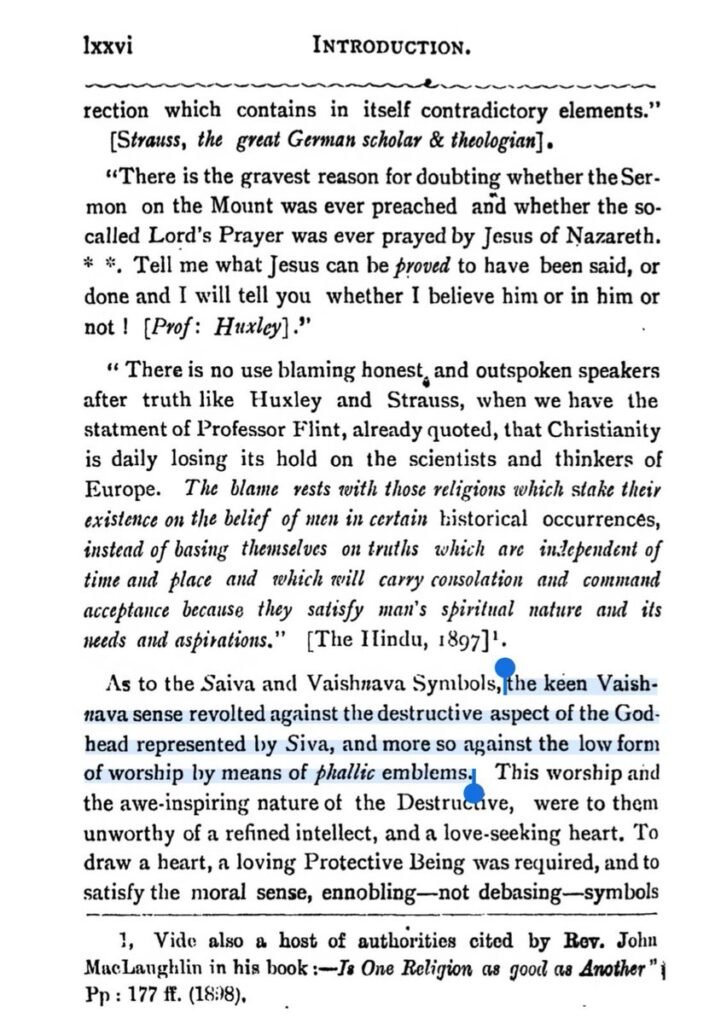
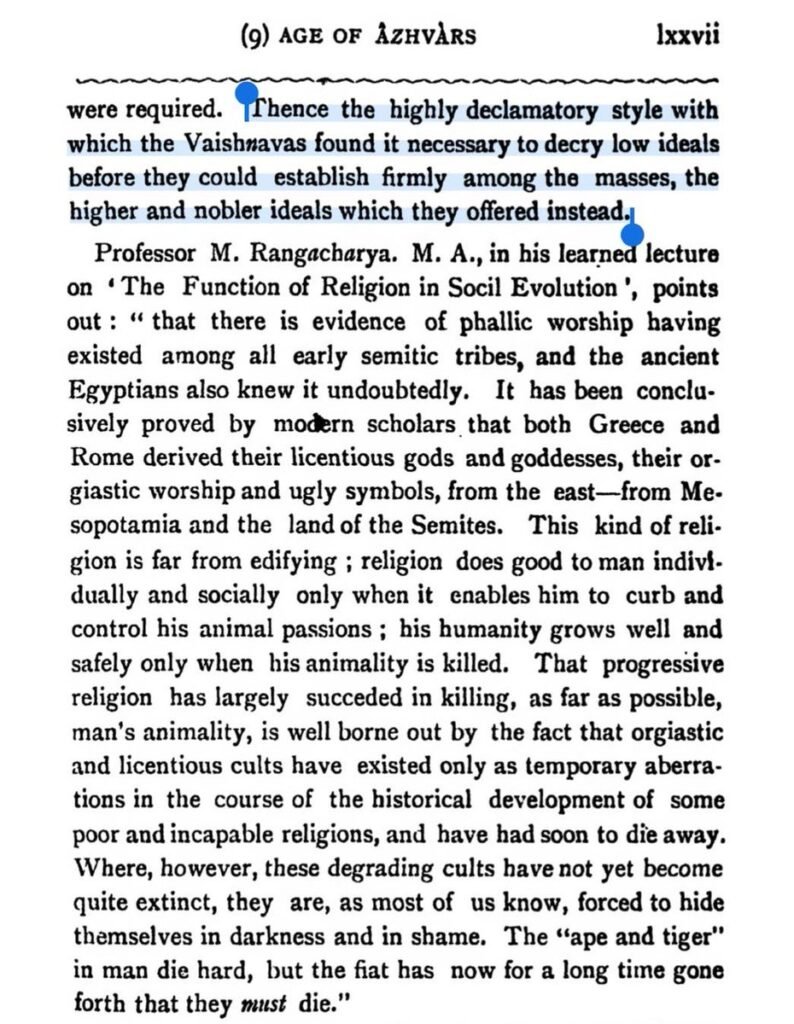
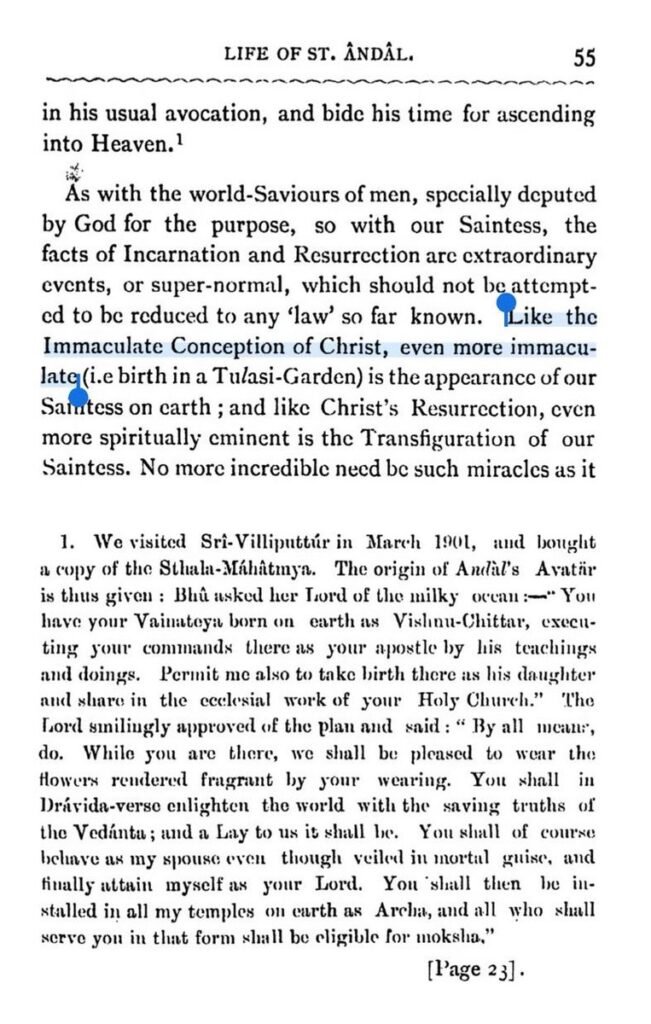
சில “இந்துக்களுக்கு” சிவலிங்கம் வெறுக்கத்தக்க பொருளாக இருந்து வருகிறது. நீண்ட காலமாக, சில “இந்து” நபர்கள் சக ஆஸ்திகர்களை விட கிறிஸ்தவர்களை மிகவும் மரியாதையுடன் நடத்த முடியும் என்பதைக் காட்டியுள்ளனர். ஒரு உதாரணம்: ஃபாலிக் லிங்கத்திற்கான அழகான பெயரடைகளின் மாலை (தாழ்ந்த, தகுதியற்ற, இழிவான) மற்றும் ஒப்பீட்டளவில் மிகவும் மரியாதைக்குரிய ஒப்பீடு (“இன்னும் மாசற்றது”, அதாவது இந்த இந்து எழுத்தாளர் ஜீபஸை இன்னும் மாசற்றவராக ஏற்றுக்கொள்கிறார்) ஷியானியத்துடன் காண்க.
லிங்கத்திற்கான தஸ்யுசமாஜ் தாழ்வு மனப்பான்மை கிட்டத்தட்ட இதேபோன்ற வழிகளில் உள்ளது. வரும் ஆண்டுகளில் இதுபோன்ற முட்டாள்கள் நம் அணிகளில் தொடர்ந்து இருப்பார்கள் என்பதில் சந்தேகமில்லை. சிறந்த இந்துக்கள் சிவலிங்கம் மற்றும் யோனியைப் பற்றி வெட்கப்படவோ அல்லது தற்காப்பு கொள்ளவோ மாட்டார்கள் என்று நான் நம்புகிறேன்.
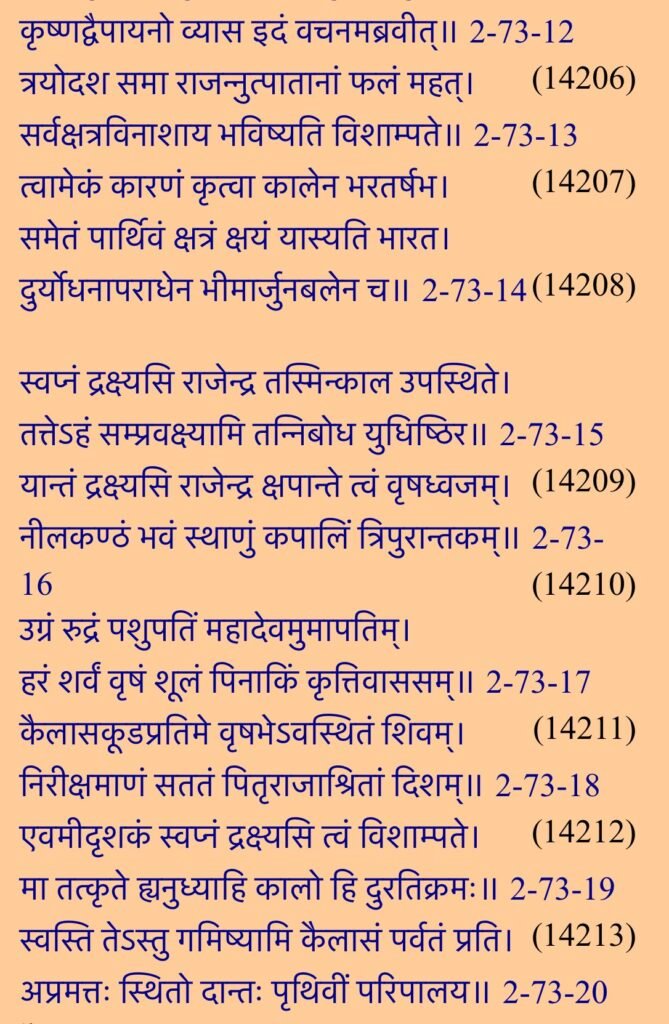
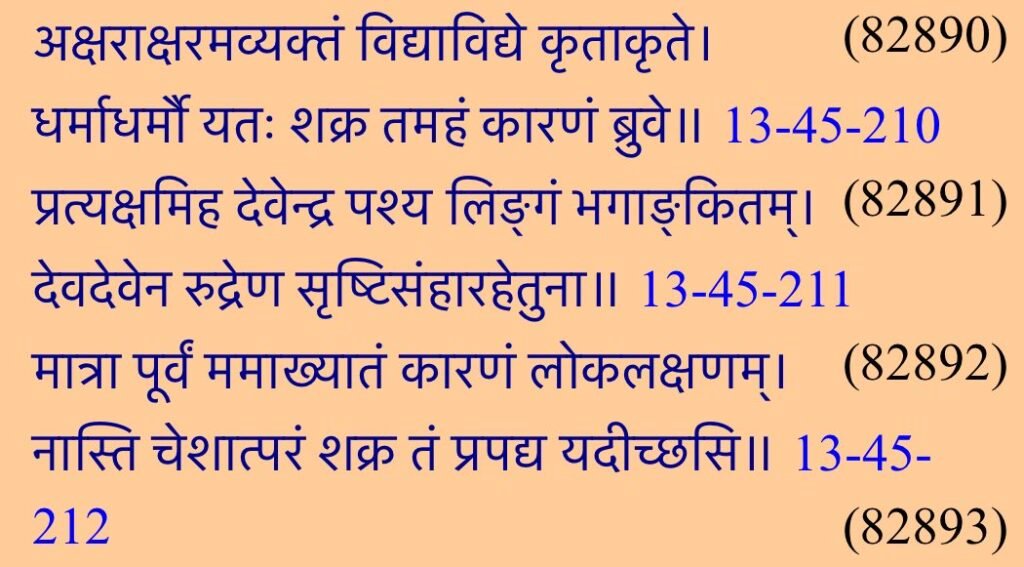
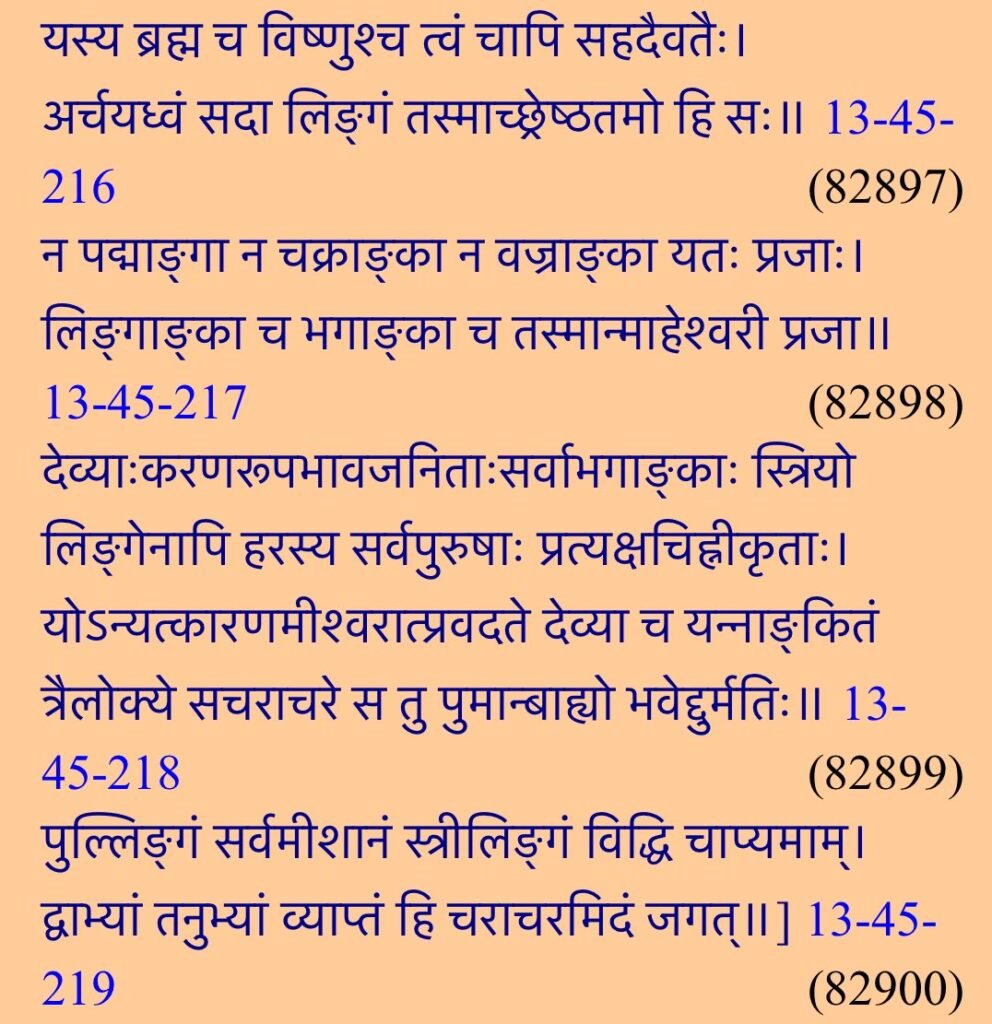
மகாபாரதத்திலிருந்து தொடர்புடைய ஷ்லோக்-கள்; பகவगवान्-उपमन्यु தேவேந்திரர் என்ற போர்வையில் சிவனிடம் உச்சரிக்கப்படுகிறது. இது மிகவும் நேரடியான பகுதி.
यहां हम स्पष्ट हो जाएं। मुझे इस विषय पर चर्चा करना पसंद नहीं है (क्योंकि यह सीवर के मैल को आकर्षित करता है) लेकिन यह दुर्व्यवहार शिवलिंग की लिंग पहचान की ओर इशारा नहीं करता है। बिल्कुल नहीं। यह दुर्व्यवहार लिंग के महत्व के कारण उसका अपमान है। और हम कैसे प्रतिक्रिया देते हैं यह बहुत महत्वपूर्ण है।
हिंदुओं को याद रखना चाहिए कि जब ईसाई और अन्य लोगों ने हमारी दिव्य बहुलता का मजाक उड़ाया था, तो हम कैसे शर्मिंदा और रक्षात्मक हो गए थे और एकेश्वरवादी के रूप में जाने जाना चाहते थे। आज स्थिति में सुधार हुआ है क्योंकि अधिकाधिक हिन्दू लोग “बहुदेववाद” शब्द में विश्वास करते हैं। यहाँ भी ऐसा ही।
शिवलिंग के लिंग महत्व में इतनी शर्मनाक बात क्या है? लोग परमेश्वर के सिर और पैरों की प्रशंसा करते हुए आयतें दोहराते हैं, लेकिन उस प्रतीक से घृणा करते हैं जो किसका प्रतिनिधित्व करता है? शिव का शाश्वत पितृत्व और मातृत्व तथा उनकी अविभाज्य शक्ति।
मुझे इस बात से कोई फर्क नहीं पड़ता कि लिंग के महत्व का बचाव करना, विवेक-दुआ सर्वसम्मति के अनुसार, राजनीतिक रूप से “सही” स्थिति है या नहीं। मैं अपनी अंतिम सांस तक शैव रहूंगा और शिवलिंग के लिंग महत्व के लिए कभी माफी नहीं मांगूंगा।
जो लोग मुझे पसंद नहीं करते, वे मुझे अनफॉलो कर सकते हैं। मैं ऐसे अपरिपक्व लोगों की परवाह नहीं करता। मैं श्री उपमन्यु ऋषि के मत का सम्मान करता हूँ जिन्होंने महाभारत में कहा है कि सभी मनुष्यों और पशुओं पर भी देवताओं के चिन्ह शिव देवी में ही विद्यमान हैं।
जो लोग लिंगम और योनि से विमुख हैं; टहल लो और हिंदू धर्म की “रक्षा” की आड़ में मेरे टीएल को शिव-विरोधी गंदगी से कभी प्रदूषित मत करो।
यदि आप अनेक शास्त्रों में वर्णित लिंग के महत्व से शर्मिंदा हैं तथा बेहतर विचारों से शिक्षित होने के बाद भी अपने पूर्वाग्रहों को व्यक्त करना जारी रखते हैं, तो आप शिव-द्वेषी हैं।
शिव और शक्ति की शाश्वत एकता, जिसका प्रतीक हमारे मंदिरों में सदाशिव का लिंग और योनि रूप है, कोई मज़ाक या शर्म की बात नहीं है।
जो लोग जानते हैं वे समझेंगे कि उपनिषदों में भी परम ब्रह्म के लिए एक पुरुष और एक स्त्री के आलिंगनबद्ध होने का रूपक प्रयुक्त किया गया है। शैव शास्त्रों ने लिंग और योनि की छवि में बहुत गहरे अर्थ जोड़ दिए हैं।
कुछ “हिंदुओं” के लिए शिवलिंग एक घृणित वस्तु रही है। लम्बे समय से, कुछ “हिन्दू” व्यक्तियों ने यह दर्शाया है कि वे मसीहियों के साथ अपने साथी विश्वासियों की तुलना में अधिक सम्मान से पेश आ सकते हैं। एक उदाहरण: लिंग लिंगम (निम्न, अयोग्य, नीच) के लिए सुंदर विशेषणों की माला और शियानवाद के साथ अपेक्षाकृत अधिक सम्मानजनक तुलना (“अभी भी बेदाग”, जिसका अर्थ है कि यह हिंदू लेखक जेबस को अभी भी बेदाग मानता है) देखें।
दस्यु समाज की लिंगम के प्रति हीन भावना भी लगभग इसी प्रकार की है। इसमें कोई संदेह नहीं है कि आने वाले वर्षों में भी ऐसे मूर्ख हमारे बीच बने रहेंगे। मेरा मानना है कि अच्छे हिंदू शिवलिंग और योनि को लेकर शर्मिंदा या रक्षात्मक नहीं होंगे।
महाभारत से प्रासंगिक श्लोक; भगवद्गावन-उपमन्यु को देवेन्द्र के भेष में शिव को सम्बोधित किया गया है। यह सबसे सीधा हिस्सा है.
Let us be clear here. I hate discussing this subject (since it tends to attract gutter scums) but the abuse isn’t pointing out phallic symbolism of Śivaliṅga. Not at all. The abuse is to demean liṅga due to said phallic significance. And how we respond is absolutely important.
Hindus should recall how when Xtians & others used to taunt us about our divine multiplicity, we were embarrassed & defensive & wanted to be known as monotheists. Today, the situation has improved with more Hindus being more confident of the word, “polytheism”. Likewise here.
What is embarrassing about the phallic significance of the Śivaliṅga? People keep repeating verses praising the head & feet of the deva but get disgusted at a symbol that connotes what? The eternal fatherhood & motherhood of Śiva & his inseparable Śakti.
I don’t care if getting defensive about the phallic significance is the politically “right” stance to take as per the prude-tva consensus. I am & will be a Śaiva till my last breath & will never be apologetic for the phallic significance of the Śivaliṅga.
Those who dislike me for this can go ahead & unfollow. I don’t care for such immature folks. I care for the opinion of Śrī-Upamanyu-Ṛṣi who states in Mahābhārata that Śiva-Devī are the only deities whose signs/insignia are found on the very persons of all humans & even beasts.
Those who are squeamish about Śivaliṅga & Yoni; take a hike & don’t ever pollute my TL with anti-Śaiva filth disguised as “defence” of Hindudharma.
If you are ashamed of the obvious significance of the Liṅga stated in so many śāstra-s & keep privileging your own biases even after being educated wth better-informed opinions, you are a Śivadveṣī.
The eternal unity of Śiva & Śakti symbolized through Sadāśiva’s form as liṅga & yoni in our Temples is not a joke or an object of ridicule to be ashamed of.
Those in the know will appreciate that the imagery of a man & woman in intimate embrace is used for ParaBrahma even in the Upaniṣad. The Śaiva śāstras have encapsulated the most profound meanings in the image of liṅga & yoni.
The Śivaliṅga has been an object of hate for some “Hindus”. For a Long time, some “Hindu” individuals have shown that they can treat Christians with far more respect than fellow Āstikas.An example: See the lovely garland of adjectives (Low, unworthy, debased) for Phallic liṅga & the relatively far far more respectful comparison (“Even more immaculate”, meaning this Hindu author still accepts Jeebus as immaculate) with Shittianity.
The dasyusamāj condescension for the Liṅga is pretty much along similar lines. There is no doubt we will continue to have imbeciles like this in our ranks for the years to come. I only hope better Hindus don’t get ashamed or defensive about the Śivaliṅga & Yonī.
The relevant श्लोक-s from महाभारत; uttered by भगवान्-उपमन्यु to शिव in te guise of देवेन्द्र. It is a very very straightforward passage.
Soyons clairs ici. Je déteste discuter de ce sujet (car il a tendance à attirer les racailles des rues), mais l’abus ne vise pas à souligner le symbolisme phallique de Śivaliṅga. Pas du tout. L’abus vise à dénigrer le liṅga en raison de sa signification phallique. Et la manière dont nous réagissons est absolument importante.
Les hindous devraient se rappeler que lorsque les chrétiens et d’autres se moquaient de nous à propos de notre multiplicité divine, nous étions gênés et sur la défensive et voulions être connus comme monothéistes. Aujourd’hui, la situation s’est améliorée, de plus en plus d’hindous étant plus confiants dans le mot « polythéisme ». De même ici.
Qu’y a-t-il d’embarrassant dans la signification phallique du Śivaliṅga ? Les gens continuent de répéter des versets louant la tête et les pieds du deva, mais sont dégoûtés par un symbole qui connote quoi ? La paternité et la maternité éternelles de Śiva et de son inséparable Śakti.
Je me fiche de savoir si se mettre sur la défensive à propos de la signification phallique est la position politiquement « correcte » à adopter selon le consensus prude-tva. Je suis et serai un Śaiva jusqu’à mon dernier souffle et je ne m’excuserai jamais de la signification phallique du Śivaliṅga.
Ceux qui ne m’aiment pas pour ça peuvent continuer et se désabonner. Je ne me soucie pas de ces gens immatures. Je me soucie de l’opinion de Śrī-Upamanyu-Ṛṣi qui déclare dans le Mahābhārata que les Śiva-Devī sont les seules divinités dont les signes/insignes se trouvent sur la personne même de tous les humains et même des bêtes.
Ceux qui sont réticents à l’idée de Śivaliṅga et de Yoni ; Allez faire un tour et ne polluez jamais ma TL avec des saletés anti-Shiva déguisées en « défense » de l’Hindoudharma.
Si vous avez honte de l’importance évidente du Liṅga énoncé dans tant de śāstra-s et que vous continuez à privilégier vos propres préjugés même après avoir été éduqué avec des opinions mieux informées, vous êtes un Śivadveṣī.
L’unité éternelle de Śiva et Śakti symbolisée par la forme de Sadāśiva en tant que liṅga et yoni dans nos temples n’est pas une blague ou un objet de ridicule dont il faut avoir honte.
Ceux qui sont au courant apprécieront que l’imagerie d’un homme et d’une femme dans une étreinte intime est utilisée pour ParaBrahma même dans l’Upaniṣad. Les Śaiva śāstras ont encapsulé les significations les plus profondes dans l’image du liṅga et du yoni.
Le Śivaliṅga a été un objet de haine pour certains « hindous ». Depuis longtemps, certains individus « hindous » ont montré qu’ils pouvaient traiter les chrétiens avec beaucoup plus de respect que leurs camarades Āstikas. Un exemple : voyez la jolie guirlande d’adjectifs (bas, indigne, avili) pour Phallic liṅga et la comparaison relativement beaucoup plus respectueuse (« encore plus immaculé », ce qui signifie que cet auteur hindou accepte toujours Jésus comme immaculé) avec Shittianity.
La condescendance du dasyusamāj envers le Liṅga est assez similaire. Il ne fait aucun doute que nous continuerons à avoir des imbéciles comme celui-ci dans nos rangs dans les années à venir. J’espère seulement que les meilleurs hindous n’auront pas honte ou ne seront pas sur la défensive à propos du Śivaliṅga et du Yonī.
Les श्लोक-s pertinents de महाभारत ; prononcé par Bhagwan-Upamanyu à Shiva sous les traits de Devendra. C’est un passage très simple.
Seamos claros aquí. Detesto discutir este tema (ya que tiende a atraer a la escoria callejera), pero el abuso no tiene la intención de enfatizar el simbolismo fálico de Śivaliṅga. De ninguna manera. El abuso tiene como objetivo denigrar el liṅga debido a su significado fálico. Y la forma en que respondemos es absolutamente importante.
Los hindúes deberían recordar que cuando los cristianos y otros se burlaban de nosotros acerca de nuestra multiplicidad divina, nos sentíamos avergonzados, nos poníamos a la defensiva y queríamos ser conocidos como monoteístas. Hoy en día, la situación ha mejorado y cada vez más hindúes confían más en la palabra “politeísmo”. Aquí igual.
¿Qué tiene de embarazoso el significado fálico del Śivaliṅga? La gente continúa repitiendo versos alabando la cabeza y los pies del deva, pero les disgusta un símbolo que connota ¿qué? La paternidad y maternidad eternas de Śiva y su inseparable Śakti.
No me importa si ponerse a la defensiva acerca del significado fálico es la posición políticamente “correcta” a adoptar según el consenso de la TVA mojigata. Soy y seré un Śaiva hasta mi último aliento y nunca me disculparé por el significado fálico del Śivaliṅga.
A quienes no les gusto por esto, pueden seguir adelante y darse de baja. No me importa esa gente inmadura. Me preocupa la opinión de Śrī-Upamanyu-Ṛṣi que afirma en el Mahābhārata que las Śiva-Devīs son las únicas deidades cuyos signos/insignias se encuentran en la persona misma de todos los humanos e incluso de las bestias.
Aquellos que se muestran reacios a la idea de Śivaliṅga y Yoni; Ve a echar un vistazo y nunca contamines mi TL con basura anti-Shiva disfrazada de “defensa” del Hindudharma.
Si te avergüenzas de la importancia obvia del Liṅga enunciado en tantos śāstra-s y continúas favoreciendo tus propios prejuicios incluso después de haber sido educado con puntos de vista mejor informados, eres un Śivadveṣī.
La unidad eterna de Śiva y Śakti simbolizada por la forma de Sadāśiva como liṅga y yoni en nuestros templos no es una broma ni un objeto de burla del cual avergonzarse.
Los que saben apreciarán que la imagen de un hombre y una mujer en un abrazo íntimo se utiliza para ParaBrahma incluso en el Upaniṣad. Los Śaiva śāstras han encapsulado los significados más profundos en la imagen del liṅga y el yoni.
El Śivaliṅga ha sido objeto de odio para algunos “hindúes”. Durante mucho tiempo, algunos individuos “hindúes” han demostrado que pueden tratar a los cristianos con mucho más respeto que sus compañeros Āstikas. Un ejemplo: véase la hermosa guirnalda de adjetivos (bajo, indigno, degradado) para el liṅga fálico y la comparación relativamente mucho más respetuosa (“aún más inmaculado”, lo que significa que este autor hindú todavía acepta a Jesús como inmaculado) con el shittianismo.
La condescendencia del dasyusamāj hacia el Liṅga es bastante similar. No hay duda de que seguiremos teniendo idiotas como este en nuestras filas durante los próximos años. Sólo espero que los mejores hindúes no se avergüencen ni se pongan a la defensiva respecto al Śivaliṅga y el Yonī.
Los श्लोक-s relevantes de महाभारत; hablado por Bhagwan-Upamanyu a Shiva en la apariencia de Devendra. Es un pasaje muy simple.