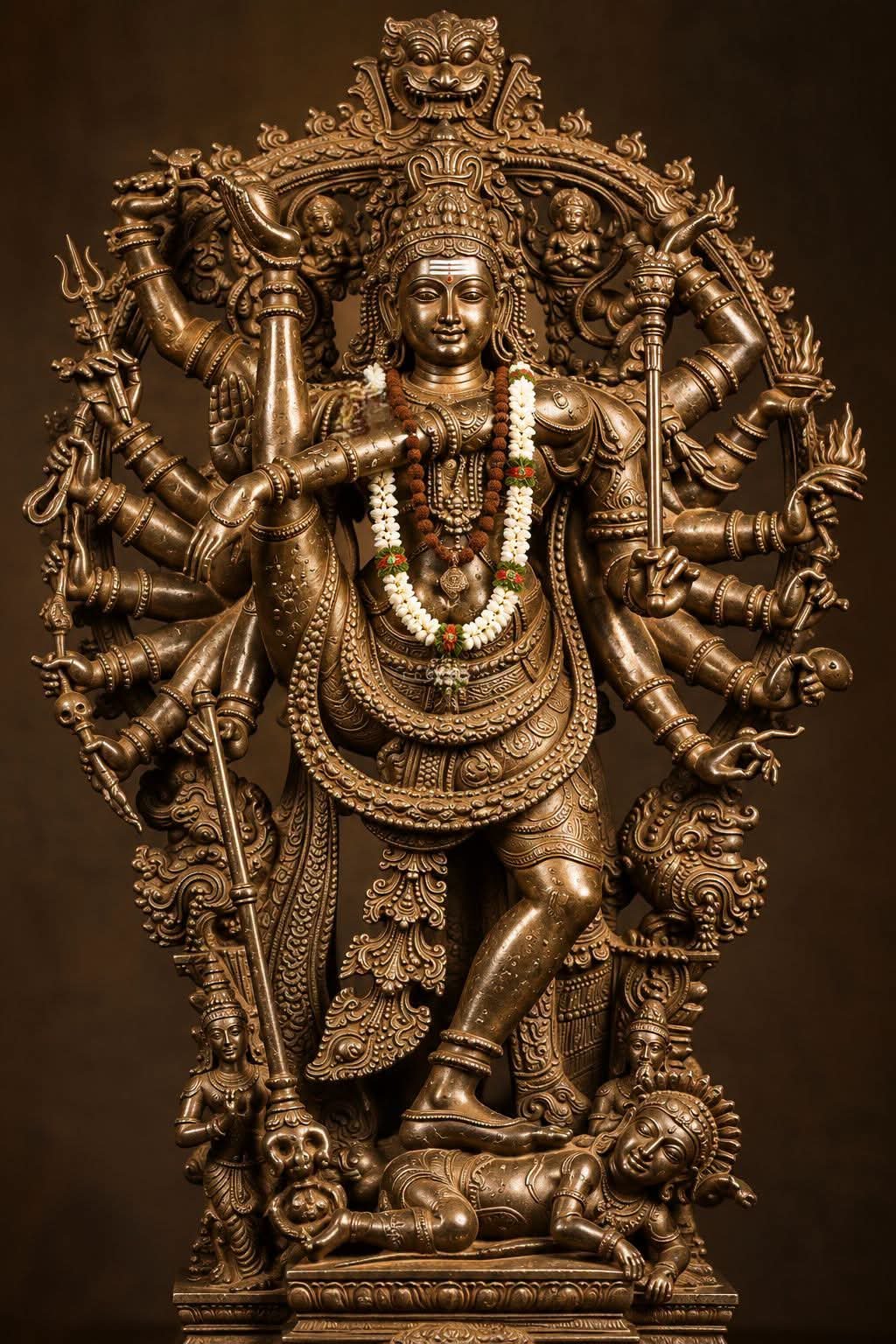
|| உயிரும் முதல்வனும் கலந்திருக்கும் இயல்பும் பேரின்பப் பேறும் ||
மாணாக்கன் வினா.
உயிர்கள் மலத்தாற் கட்டுண்டன. முதல்வன் மலமில்முற்றறிஞன். இவ்விருதிறத்தினரும் எவ்வாறு சார்ந்திருக்கின்றனர்?
ஆசிரியர் உரை:
உடலில் கைவிரல், கால், கண், நா, மூக்கு, காது முதலியன இருக்கின்றன. உயிர் உடல் முழுதும் நிறைந்துநின்று உடற்கிட்ட பெயராலழைத்துழி உயிர் உடம்பெனத்தானென வேற்றுமையின்றி இயைந்து நின்று ஏன் என்கின்றது. கண்ணால் காண்கின்றது; நாவாற் சுவைக்கின்றது; மூக்கால் மணமறிகின்றது; காதாற் கேட்கின்றது. அவ்வாறொட்டி நின்றபொழுதும் உயிர் உயிரே, உடம்பு உடம்பே. உயிர் உடம்பாயொழியாது உடம்பு உயிராகமாட்டாது. அவ்வாறாயினும் உயிர் உடம்பாயும் அதனின் வேறாயும் நிற்கும். உடம்பு அங்ஙனம் நில்லாது.
அதுபோல் முதல்வன்
முதல்வனே, உயிர் உயிரே. முதல்வன் உயிராயொழியான்; உயிர் முதல்வனாகமாட்டாது. முதல்வன் உயிருடனும் அதனில் வேறாயும் நிற்பன். இவன் ஒருவன் உளன் என்று ஓருயிரையும், உயிர் நிறைந்திருக்கும் உடலையும், உடலுள்ளிருக்கும் ஆயிரக்கணக்கான புழுக்களையும் ஒன்றுபடுத்தி உணர்கின்றேம். அதனால் உயிரும் உடலும் பொருண்மையால் வேறாயினும் கலப்பினால் ஒன்றேயாய் இரண்டற்றதாயிருக்கின்றன. அதுபோல இறைவன் அறிவில் பொருளாகிய அளவிலுலகங்களும், அறிவுடையனவாகிய அளவில் உயிர்த்தொகுதிகளும் ஆகிய அறிவு அறிவில் (சேதனாசேதன) பொழில்களனைத்தும் உடலாயும் தானுயிராயும் ஒன்றாய் இரண்டற்றிருக்கின்றனன். அதாவது முதல்வன் கலப்பினால் உடலின் உயிர் போல் அவ்வுயிர்களேயாய், பொருட்டன்மையாற் கண்ணின் அருக்கன்போலவற்றின் வேறுமாய், உயிர்க்குயிராதற்றன்மையாற் கண்ணொளியின் ஆன்மபோதம்போல (உயிருணர்வு) உடனுமாய் விளங்குகின்றனன்.
• உலகெலாமாகி வேறாயுடனுமாய் என்ற உரையளவையுமிதை விளக்குகின்றது. ஒன்றே இரண்டற்றது பெரிது (ஏகமேவாத்விதீயம் பிரம்ஹ) என்ற (பிரஹ் 4-4-20) உரையும் இதை ஒத்துரைக்கின்றது.
இவ்வியைபுபற்றியே எல்லாஞ் சிவமாக எண்ணலும், எல்லாம் என்பவற்றுள் அடங்கிய தன்னை (உயிரை) அதுவாக (சிவமாக) எண்ணி ஆணவமொழிந்து பேரின்ப மெய்தலும், அவன் வடிவம் எல்லாமாய் நிற்றலும் ஆகிய பேறெய்தவுமியலுமென்க
*உலகெலாமாகி வேறாயுடனுமாய் –
சிவஞான சித்தியார் சூ. 2.
சிவஞானபோத வினாவிடை(1930) என்னும் நூலில் இருந்து.
இந்நூல் கோவிற்பட்டி சாமி விருதை. சிவஞான யோகிகள் இயற்றியது. தூத்துக்குடி, சைவப்பிரகாச அச்சியந்திரசாலையில் பதிப்பிக்கப்பட்டது.
English IAST Transliteration
Māṇākkaṉ viṉā:
Uyirkaḷ malattāṟ kaṭṭuṇṭaṉa. Mutalvaṉ malamilmuṟṟariñaṉ. Ivvirutiraftiṉaruṁ evvāṟu cārntirukkiṉṟaṉa?
Āciriyar urai:
Uṭalil kaiviral, kāl, kaṇ, nā, mūcku, kātu mutaliyṉa irukkiṉṟaṉa. Uyir uṭal muṉṟum niṟaintuniṉṟu uṭaṟkiṭṭa peyarālaḻaittuḻi uyir uṭampeṟṟāṉeṉa vēṟṟumaiyiṉṟi iyaintu niṟṟu ēṉ eṅkiṉṟatu? Kaṇṇāl kāṇkiṉṟatu; nāvāṟ cuvaikkiṉṟatu; mūkkāl maṇamaṟikiṉṟatu; kātāṟ kēṭkiṉṟatu. Avvāṟoṭṭi niṟṟapoḻutum uyir uyirē, uṭampu uṭampē. Uyir uṭampāyoḻiyātu uṭampu uyirākamāṭṭātu. Avvāṟāyiṉum uyir uṭampāyum ataṉiṉ vēṟāyum niṟṟum. Uṭampu aṅṅaṉam nillātu.
Atupōl mutalvaṉ…
mutalvaṉē, uyir uyirē. Mutalvaṉ uyirāyoḻiyāṉ; uyir mutalvaṉākamāṭṭātu. Mutalvaṉ uyiruṭaṉum ataṉiṉ vēṟāyum niṟpaṉ. Ivaṉ oruvaṉ uḷaṉ eṉṟu ōruyiraiyum, uyir niṟaintirukkum uṭalaiyum, uṭaluḷḷirukkum āyirakkaṇakkāṉa puḻukkaḷaiyum oṉṟupatutti uṇarkiṉṟēm. Atanāl uyirum uṭalum poruṇmaiyāl vēṟāyiṉum kalappiṉāl oṉṟēyāy iraṇṭaṟṟatāyirukkiṉṟaṉa. Atupōla iṟaivaṉ aṟivil poruḷākiya aḷavilulakampaḷum, aṟivuṭaiyaṉavākiya aḷavil uyirtohutikaḷum ākiya aṟivu aṟivil (cētaṉācētaṉa) poḻilkaḷaṉaittuṁ uṭalāyum tāṉuyirāyum oṉṟāy iraṇṭaṟṟatirukkiṉṟaṉaṉ. Ātavatu mutalvaṉ kalappiṉāl uṭaliṉ uyir pōl avvuyirkaḷēyāy, poruṭtaṉmaiyāṟ kaṇṇiṉ arukkṉpōlavṟṟiṉ veṟumāy, uyirkkuyirātatṟaṉmaiyāṟ kaṇṇoḷiyiṉ āṉmapotampōla (uyiruṇarvu) uṭaṉumāy viḷaṅkiṉṟaṉaṉ.
- Ulakeṟāmāki veṟāyuṭanumāy eṉṟa uṟaiyalavaiyumitaṉai viḷakkiṉṟatu. Oṉṟē iraṇṭaṟṟatu peritu (ēkamēvātvitīyam piramha) eṉṟa (pirah 4-4-20) uraiyum itu otturaiṟkiṉṟatu.
Ivviyaiṟpaṟṟaiyē ellāñ civamāka eṇṇalum, ellām enbavṟuḷ aṭaṅkiya taṉṉai (uyirai) atuvāka (sivamāka) eṇṇi āṇavam-oḻintu pērinpa mey-talum, avaṉ vaṭivam ellāmāy niṟṟalum ākiya pāṟ-eyta-vumi-yalum-eṉk.
Ulakeṟāmāki veṟāyuṭanumāy – Civāñāṉa cittiyār cū. 2.
Civāñāṉapōta viṉāviṭai (1930) eṉṉum nūlil iruntu. Iṉnūl kōviṟpaṭṭi cāmi virutai. Civāñāṉa yōkikaḷ iyaiṟratu. Tūttukkuṟi, caivapirakāca acciyantiracālaiyil patippikkaṟpaṭṭatu.
கலைச்சொல்லகராதி / அருஞ்சொற்பொருள்
- மாணாக்கன் (Māṇākkaṉ): மாணவன் அல்லது கேள்வி கேட்பவன் (Student / Questioner).
- உயிர்கள் (Uyirkaḷ): ஆன்மாக்கள் அல்லது அறிவுடைய பொருட்கள் (Souls / Sentient beings).
- மலம் (Mala): ஆன்மாவைப் பற்றியிருக்கும் ஆணவம், கன்மம், மாயை என்னும் மும்மலங்கள் (Spiritual impurities / bonds).
- முதல்வன் (Mutalvaṉ): கடவுள், பதி, சிவபெருமான் (The Supreme Being / Lord Siva).
- முற்றறிஞன் (Muṟṟariñaṉ): எல்லாவற்றையும் அறிந்த முற்றுணர்வுடையவன் (The Omniscient One).
- உயிர் (Uyir): ஆன்மா (Soul).
- உடம்பு / உடல் (Uṭampu / Uṭal): பருவுடல் (Physical body).
- கலப்பு (Kalappu): இரண்டறக் கலந்து நிற்கும் தன்மை (Union / Immanence).
- பொருண்மை (Poruṇmai): தனித்த இயல்பு அல்லது பொருள் தன்மை (Substance / Essence).
- சேதனாசேதனம் (Cētaᯍācētaᯍam): அறிவுடையவை (உயிர்கள்) மற்றும் அறிவற்றவை (உலகம்) ஆகிய இரண்டும் (Sentient and Insentient).
- அருக்கன் (Arukkaṉ): சூரியன் (The Sun).
- ஆன்மபோதம் (Āṉmapōtam): உயிரின் அறிவுணர்வு (Soul-consciousness).
- சிவமாய் (Civamāy): இறைவனாகவே (As Siva).
- ஆணவம் (Āṇavam): ஆன்மாவை மறைக்கும் இருள் மலம் அல்லது அகந்தை (Ego / Innate spiritual darkness).
- பேரின்பம் (Pērinpam): முத்தியில் பெறுகின்ற எல்லையற்ற இன்பம் (Supreme spiritual bliss).
- சிவஞானசித்தியார் (Civāñāṉa Cittiyār): மெய்கண்ட சாத்திரங்களில் ஒன்றான சைவ சித்தாந்த நூல் (Civanaana Cittiyar, a classical Saiva Siddhanta scripture).
जीव और शिव के मिलन का स्वरूप और परमानंद की प्राप्ति
शिष्य का प्रश्न: आत्माएँ अशुद्धियों (मला) से बंधी हुई हैं। परमेश्वर शुद्ध और सर्वज्ञ हैं। ये दोनों实体 (सत्ताएँ) किस प्रकार संबंधित हैं?
गुरु का उत्तर: शरीर में उँगलियाँ, पैर, आँखें, जीभ, नाक, कान आदि हैं। आत्मा पूरे शरीर में व्याप्त होती है और जब उसे शरीर को दिए गए नाम से पुकारा जाता है, तो वह इतने घनिष्ठ रूप से जुड़ जाती है कि वह उसके साथ एक सी प्रतीत होती है। वह आँख से देखती है, जीभ से स्वाद लेती है, नाक से सूँघती है और कान से सुनती है। फिर भी, इस प्रकार जुड़े होने पर भी आत्मा, आत्मा ही रहती है और शरीर, शरीर ही रहता है। आत्मा शरीर नहीं बनती, और शरीर आत्मा नहीं बनता। फिर भी, आत्मा शरीर के रूप में भी प्रकट होती है और उससे भिन्न भी। शरीर स्वयं ऐसा नहीं कर सकता।
इसी प्रकार, परमेश्वर… परमेश्वर परमेश्वर हैं, और आत्मा आत्मा है। परमेश्वर आत्मा नहीं बनते; आत्मा परमेश्वर नहीं बन सकती। परमेश्वर आत्मा के साथ भी निवास करते हैं और उससे भिन्न भी हैं। हम किसी व्यक्ति के अस्तित्व को देखते हैं — आत्मा द्वारा बसाया गया शरीर — और शरीर के भीतर हज़ारों छोटे जीवों को, जो सब मिलकर एक एकीकृत समग्र रूप बनाते हैं। इसलिए, यद्यपि आत्मा और शरीर अपने मूल स्वभाव में भिन्न हैं, फिर भी उनकी घनिष्ठ अंतर्व्याप्ति के कारण वे एक और अद्वैत हैं। इसी प्रकार, ईश्वर भौतिक ब्रह्मांड और conscious souls (सचेतन आत्माओं) के रूप में विद्यमान हैं — समस्त सचेतन और जड़ सत्ताओं को अपने शरीर के रूप में समाहित करते हुए, जबकि वे स्वयं आंतरिक आत्मा हैं, जो एक और अद्वैत के रूप में विद्यमान हैं। अर्थात्, परमेश्वर शरीर के जीवन के रूप में अंतःव्याप्ति द्वारा इन आत्माओं के रूप में ही विद्यमान हैं, इन वस्तुओं से उसी प्रकार भिन्न हैं जैसे सूर्य उन वस्तुओं से जिन्हें वह प्रकाशित करता है, और आँख की चेतना के रूप में उनके समीप उपस्थित हैं क्योंकि वे आत्माओं की आत्मा हैं।
- प्रामाणिक ग्रंथोक्ति — «वह संपूर्ण ब्रह्मांड बन गया है, और फिर भी भिन्न तथा अंतर्यामी बना हुआ है» — इस सत्य को समझाती है। बृहदारण्यक उपनिषद (4-4-20) का वैदिक कथन «एकमेवाद्वितीयं ब्रह्म» (एक ही है, दूसरा नहीं) भी इस बात की पुष्टि करता है।
ठीक इसी प्रगाढ़ संबंध के कारण परम आध्यात्मिक सिद्धियों को प्राप्त करना संभव है: सब कुछ शिव के रूप में देखना, स्वयं (आत्मा) को समस्त में समाहित ‘तत्’ (शिव) रूप में पहचानना, अहंकार (आणव) को नष्ट करना, परम आनंद (पेरिन्पम्) प्राप्त करना, और यह अनुभूति करना कि दिव्य रूप ही सब कुछ के रूप में प्रकट होता है।
संदर्भ: शिवायज्ञान सित्तियार् सू. 2, शिवायज्ञानबोध विनयिटै (1930) से लिया गया, जिसे स्वामी विरुथई शिवज्ञान योगिगल द्वारा कैवपिरकाक अच्यंतिरकलाई, थूथुकुडी में संकलित किया गया था।
शब्दावली
- उयिर् (Uyir): व्यक्तिगत आत्मा (जीव)।
- मुतल्वन् (Mutalvan): प्रथम प्रभु, सर्वोच्च देवता (शिव)।
- मल (Mala): जन्मजात आध्यात्मिक अशुद्धि या अहंकार का बंधन।
- अद्वैत (Advaita): अद्वैतवाद; अपनी भिन्न तात्विक पहचान खोए बिना मिलन में एकता।
- चेतनाचेतन (Cetanācētaṉa): सचेतन आत्माओं (चेतन) और जड़ पदार्थ (अचेतन) की संयुक्त समग्रता।
- पेरिन्पम् (Pērinpam): सर्वोच्च आध्यात्मिक आनंद (आनंद)।
The nature of the soul-Supreme Lord union and supreme bliss
Student’s Question:
Souls are bound by impurities (malas). The Supreme Being is free from impurities and is omniscient. How do these two entities relate to one another?
Master’s Response:
In the physical body, there are fingers, feet, eyes, tongue, nose, ears, and other organs. Pervading the entire body, when addressed by the name given to the body, why does the soul unite with it seamlessly without any sense of separation? It sees through the eye, tastes through the tongue, smells through the nose, and hears through the ear. Yet, even when thus united, the soul remains the soul, and the body remains the body. The soul does not become the body, nor can the body become the soul. Nevertheless, the soul stands both as the body and distinct from it. The body cannot exist in such a dual manner.
Similarly, the Supreme Being… the Supreme Being is the Supreme Being, and the soul is the soul. The Supreme Being does not become the soul; nor can the soul become the Supreme Being. The Supreme Being resides both with the soul and distinct from it. We perceive a person’s existence, the body filled with the soul, and the thousands of microscopic organisms within the body, all as a unified whole. Therefore, although the soul and body are distinct in their fundamental substance, through their profound intermingling/union they are one and non-dual. In the exact same way, God exists as the physical universe (the object of knowledge) and as the countless conscious souls (the subjects of knowledge)—encompassing all sentient and insentient entities as His body, while He Himself is the inner life/soul, existing as one and non-dual. That is, the Supreme Being exists as those very souls through immanence like the life of the body, distinct from those objects like the sun from the objects it illuminates, and immanent alongside them like the soul-consciousness of eye-light because He is the soul of souls.
- The scriptural authority, “He became all the universe, and yet remains distinct and immanent,” explains this very truth. The Vedic statement, “One only without a second (Ekamevadvitiyam Brahma)” from the Brihadaranyaka Upanishad (4-4-20) also corroborates this.
It is precisely because of this profound relationship that one can attain supreme spiritual achievements: perceiving everything as Siva, recognizing oneself (the soul) contained within the all as That (Siva), destroying the ego (āṇavam), attaining supreme bliss (pērinpam), and realizing that the Divine form stands forth as everything.
Ulakeṟāmāki veṟāyuṭanumāy – Civāñāṉa Cittiyār sū. 2. Published from Civāñāṉapōta Viṉāviṭai (1930) composed by Swami Viruthai Sivagnana Yogigal at the Caivapirakāca Acciyantiracālai, Thoothukudi.
Glossary
- Uyir: The individual soul (jīva).
- Mutalvan: The First Lord, the Supreme Deity (Shiva).
- Mala: Innate spiritual impurity or egoistic attachment.
- Advaita: Non-duality; unity in union without losing distinct ontological identity.
- Cetanācētaṉa: The combined totality of sentient souls (cetanam) and insentient matter (acetanam).
- Pērinpam: Supreme spiritual bliss (ānanda).
La nature de l’union âme-Seigneur Suprême et la béatitude suprême
Question de l’élève :
Les âmes sont enchaînées par les impuretés (malas). L’Être Suprême est pur et omniscient. Comment ces deux entités sont-elles liées ?
Réponse du maître :
Dans le corps, il y a les doigts, les pieds, les yeux, la langue, le nez, les oreilles, etc. L’âme imprègne le corps entier et, lorsqu’on l’appelle par le nom attribué au corps, elle s’unit si intimement qu’elle semble ne faire qu’un avec lui. Elle voit par l’œil, goûte par la langue, sent par le nez et entend par l’oreille. Pourtant, même ainsi unie, l’âme reste l’âme et le corps reste le corps. L’âme ne devient pas le corps, et le corps ne devient pas l’âme. Néanmoins, l’âme se manifeste à la fois comme le corps et comme distincte de lui. Le corps, lui, ne peut pas agir ainsi.
De même, l’Être Suprême… l’Être Suprême est l’Être Suprême, et l’âme est l’âme. L’Être Suprême ne devient pas l’âme ; l’âme ne peut pas devenir l’Être Suprême. L’Être Suprême réside à la fois avec l’âme et en est distinct. Nous percevons l’existence d’une personne, le corps habité par l’âme, et les milliers de petits organismes à l’intérieur du corps, le tout formant un ensemble unifié. Par conséquent, bien que l’âme et le corps soient différents par leur nature essentielle, par leur compénétration intime, ils ne font qu’un et sont non-duels. De la même manière, Dieu existe sous la forme de l’univers matériel et des âmes conscientes — englobant toutes les entités sentientes et insentientes comme Son corps, tandis qu’Il est Lui-même l’âme intérieure, existant comme un et non-duel. C’est-à-dire que l’Être Suprême existe comme ces âmes elles-mêmes par immanence comme la vie du corps, distinct de ces objets comme le soleil des objets qu’il illumine, et présent à leurs côtés comme la conscience de l’œil parce qu’Il est l’âme des âmes.
- L’autorité textuelle « Il est devenu tout l’univers, et demeure pourtant distinct et immanent » explique cette vérité même. La déclaration védique « Un seul sans second (Ekamevadvitiyam Brahma) » de la Brihadaranyaka Upanishad (4-4-20) corrobore également cela.
C’est précisément en raison de cette relation profonde qu’il est possible d’atteindre les accomplissements spirituels suprêmes : percevoir tout comme Shiva, reconnaître soi-même (l’âme) inclus en Tout comme étant Cela (Shiva), détruire l’ego (āṇavam), atteindre la béatitude suprême (pērinpam), et réaliser que la forme divine se manifeste comme toute chose.
Référence : Civāñāṉa Cittiyār sū. 2, tiré de Civāñāṉapōta Viṉāviṭai (1930) composé par Swami Viruthai Sivagnana Yogigal à la Caivapirakāca Acciyantiracālai, Thoothukudi.
Glossaire
- Uyir: L’âme individuelle (jīva).
- Mutalvan: Le Premier Seigneur, la Divinité Suprême (Shiva).
- Mala: L’impureté spirituelle innée ou l’attachement de l’ego.
- Advaita: La non-dualité ; l’unité dans l’union sans perdre l’identité ontologique distincte.
- Cetanācētaṉa: La totalité combinée des âmes sentientes (cetanam) et de la matière insentiente (acetanam).
- Pērinpam: La béatitude spirituelle suprême (ānanda).
La naturaleza de la unión alma-Señor Supremo y la bienaventuranza suprema.
Pregunta del alumno: Las almas están encadenadas por impurezas (malas). El Ser Supremo es puro y omnisciente. ¿Cómo están relacionadas estas dos entidades?
Respuesta del maestro: En el cuerpo hay dedos, pies, ojos, lengua, nariz, orejas, etc. El alma impregna todo el cuerpo y, cuando se la llama por el nombre atribuido al cuerpo, se une tan íntimamente que parece ser una sola cosa con él. Ve a través del ojo, saborea a través de la lengua, huele a través de la nariz y oye a través de la oreja. Sin embargo, aun estando así unida, el alma sigue siendo el alma y el cuerpo sigue siendo el cuerpo. El alma no se convierte en el cuerpo, y el cuerpo no se convierte en el alma. No obstante, el alma se manifiesta tanto como el cuerpo como distinta de él. El cuerpo, por su parte, no puede actuar de este modo.
Del mismo modo, el Ser Supremo… el Ser Supremo es el Ser Supremo, y el alma es el alma. El Ser Supremo no se convierte en el alma; el alma no puede convertirse en el Ser Supremo. El Ser Supremo reside a la vez con el alma y es distinto de ella. Percibimos la existencia de una persona, el cuerpo habitado por el alma, y los miles de pequeños organismos dentro del cuerpo, formando todo ello un conjunto unificado. Por lo tanto, aunque el alma y el cuerpo son diferentes por su naturaleza esencial, mediante su compenetración íntima, son uno y no duales. De la misma manera, Dios existe en la forma del universo material y de las almas conscientes —abarcando todas las entidades sintientes e insentientes como Su cuerpo, mientras que Él mismo es el alma interior, existiendo como uno y no dual—. Es decir, el Ser Supremo existe como estas almas mismas por inmanencia como la vida del cuerpo, distinto de estos objetos como el sol de los objetos que ilumina, y presente a su lado como la conciencia del ojo porque Él es el alma de las almas.
- La autoridad textual «Él se ha convertido en todo el universo, y sin embargo permanece distinto e inmanente» explica esta misma verdad. La declaración védica «Uno sin segundo (Ekamevadvitiyam Brahma)» de la Brihadaranyaka Upanishad (4-4-20) también corrobora esto.
Es precisamente debido a esta relación profunda que es posible alcanzar los logros espirituales supremos: percibir todo como Shiva, reconocerse a uno mismo (el alma) incluido en el Todo como siendo Eso (Shiva), destruir el ego (āṇavam), alcanzar la bienaventuranza suprema (pērinpam) y realizar que la forma divina se manifiesta como todas las cosas.
Referencia: Civāñāṉa Cittiyār sū. 2, extraído de Civāñāṉapōta Viṉāviṭai (1930) compuesto por Swami Viruthai Sivagnana Yogigal en la Caivapirakāca Acciyantiracālai, Thoothukudi.
Glosario
- Uyir: El alma individual (jīva).
- Mutalvan: El Primer Señor, la Divinidad Suprema (Shiva).
- Mala: La impureza espiritual innata o el apego del ego.
- Advaita: La no dualidad; la unidad en la unión sin perder la identidad ontológica distinta.
- Cetanācētaṉa: La totalidad combinada de las almas sintientes (cetanam) y la materia insentiente (acetanam).
- Pērinpam: La bienaventuranza espiritual suprema (ānanda).
/